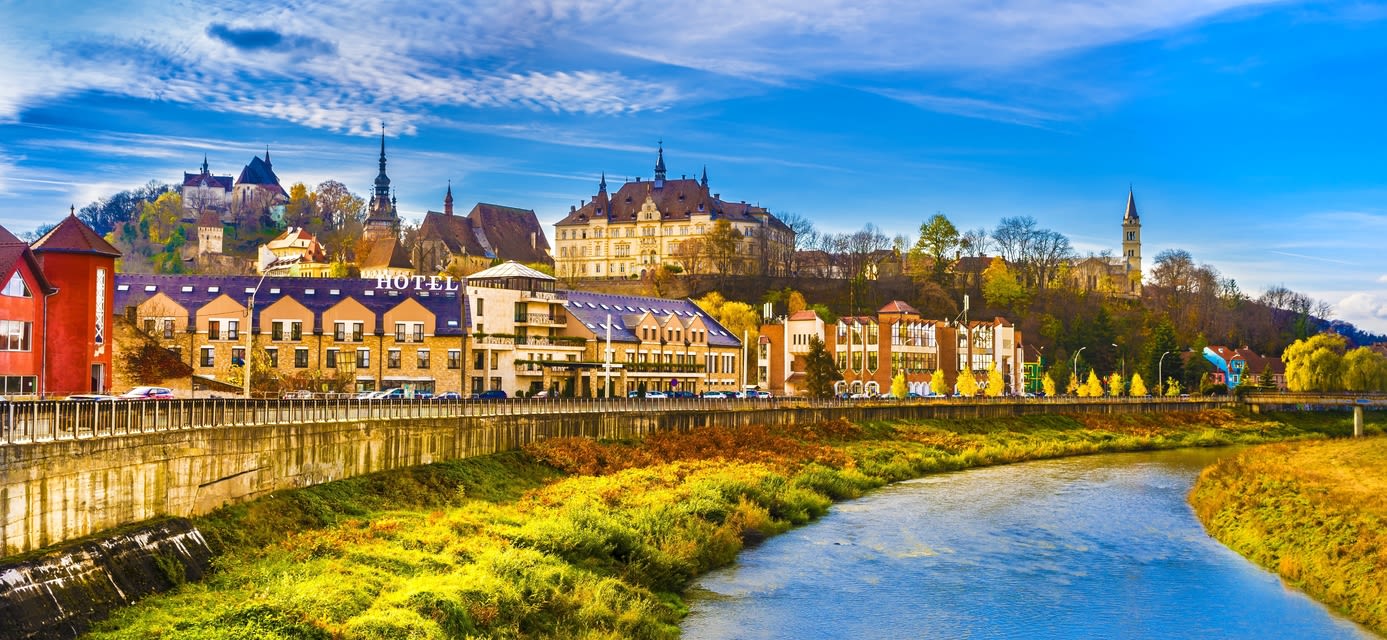
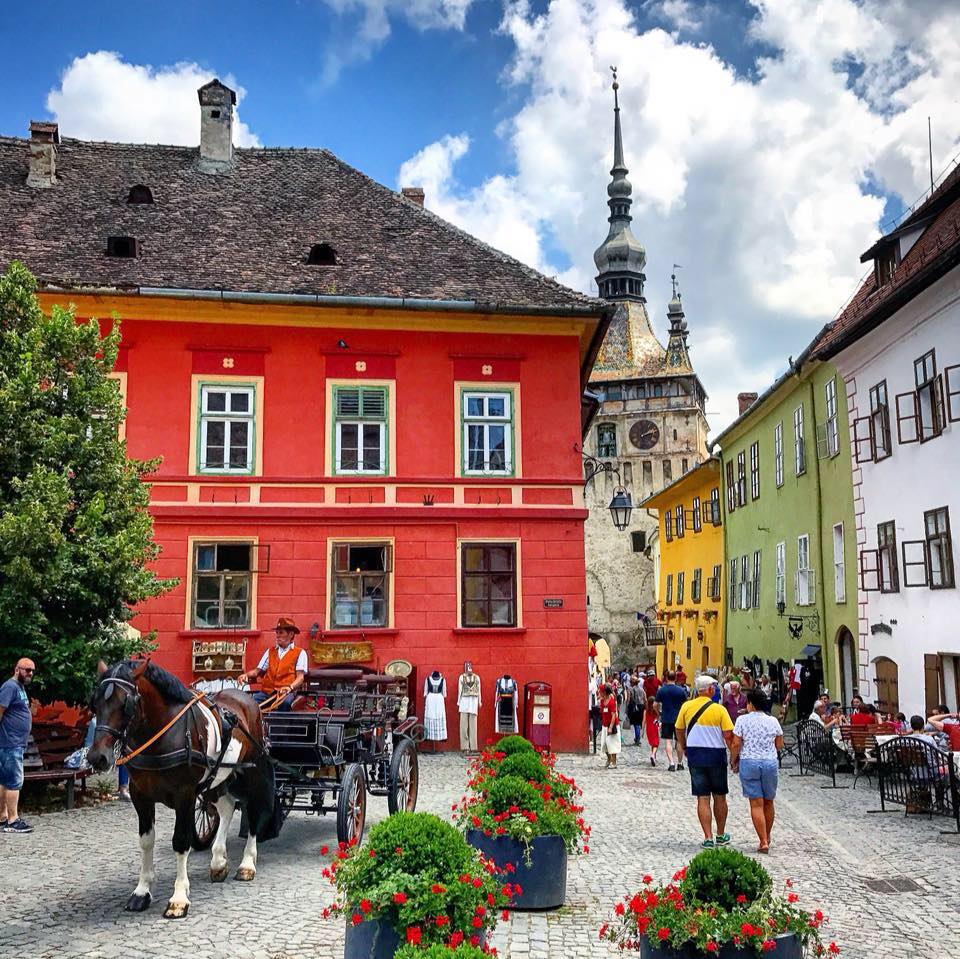
The only inhabited medieval citadel in Eastern Europe is alleged to be the birthplace of the ruler that inspired the fictional Count Dracula.
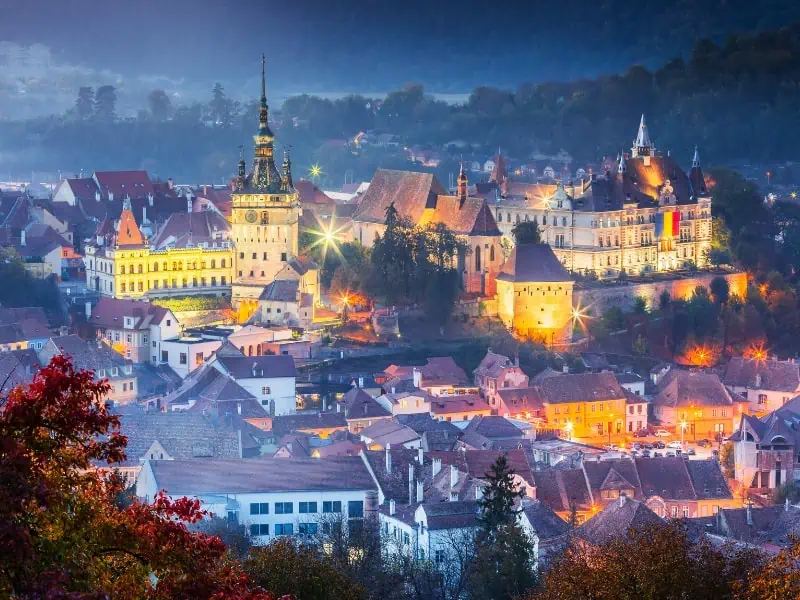
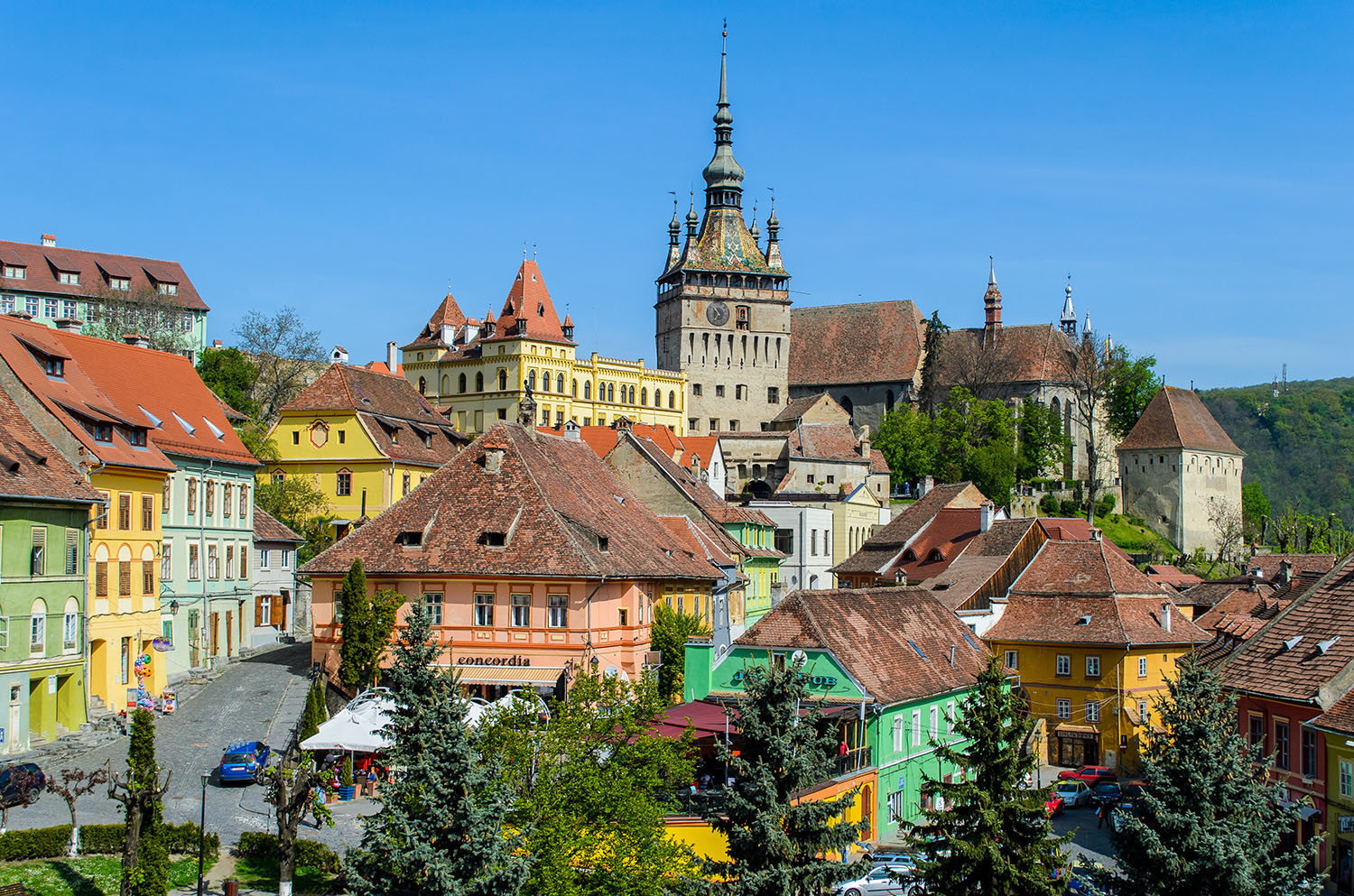
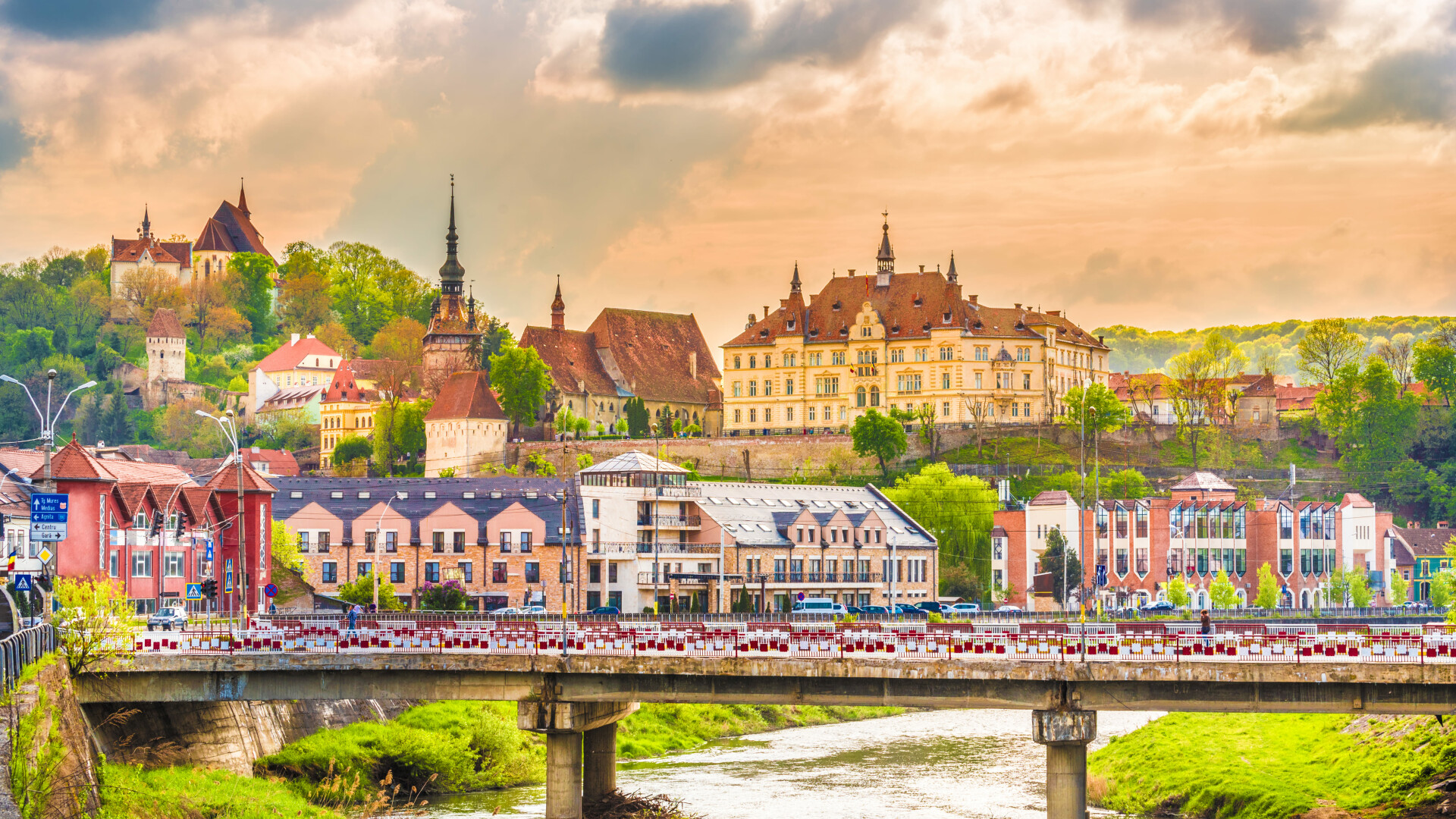
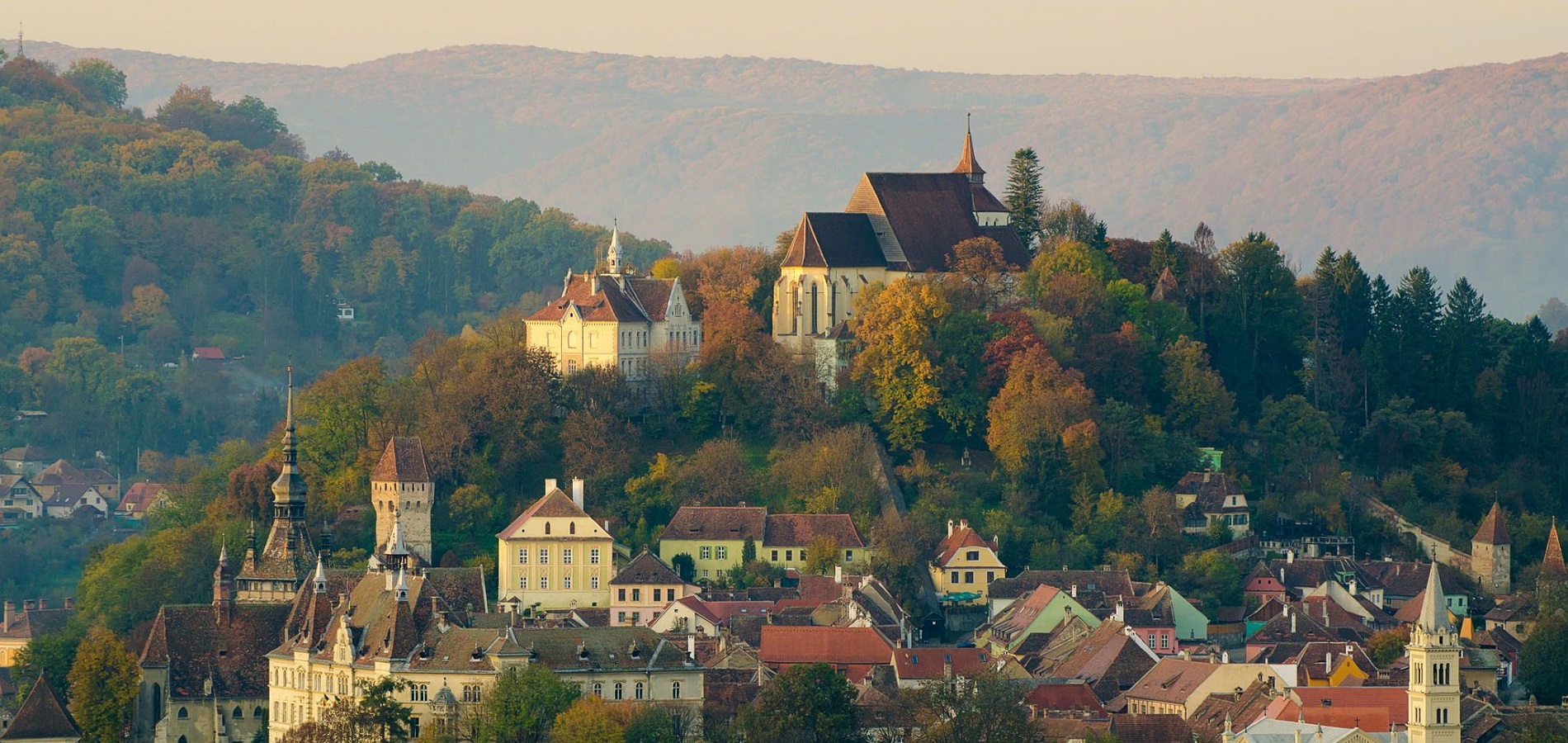
The citadel of Sighişoara was established by German colonists in the 12th century. The town territory has been continuously occupied from ancient times, the vestiges of the Dacian fortress Sandava and the Roman castrum Stenarum having been discovered in the area. The construction of the fortress wall, which was to protect the citadel against Tatar and Ottoman raids, was begun in 1350 and lasted until the 17th century. The 950 metre wall was initially 4 metres high, but this was subsequently increased by another 3-4 metres. The citadel had 14 towers (each the responsibly of one of the craft guilds) and 4 bastions, of which 9 towers and 3 bastions still exist. In 1999, the citadel was registered in the UNESCO world cultural heritage. Vlad Ţepeş (Vlad the Impaler), the Romanian ruler who inspired Bram Stoker’s infamous Count Dracula, was allegedly born in Sighişoara in 1431.
The Clock Tower
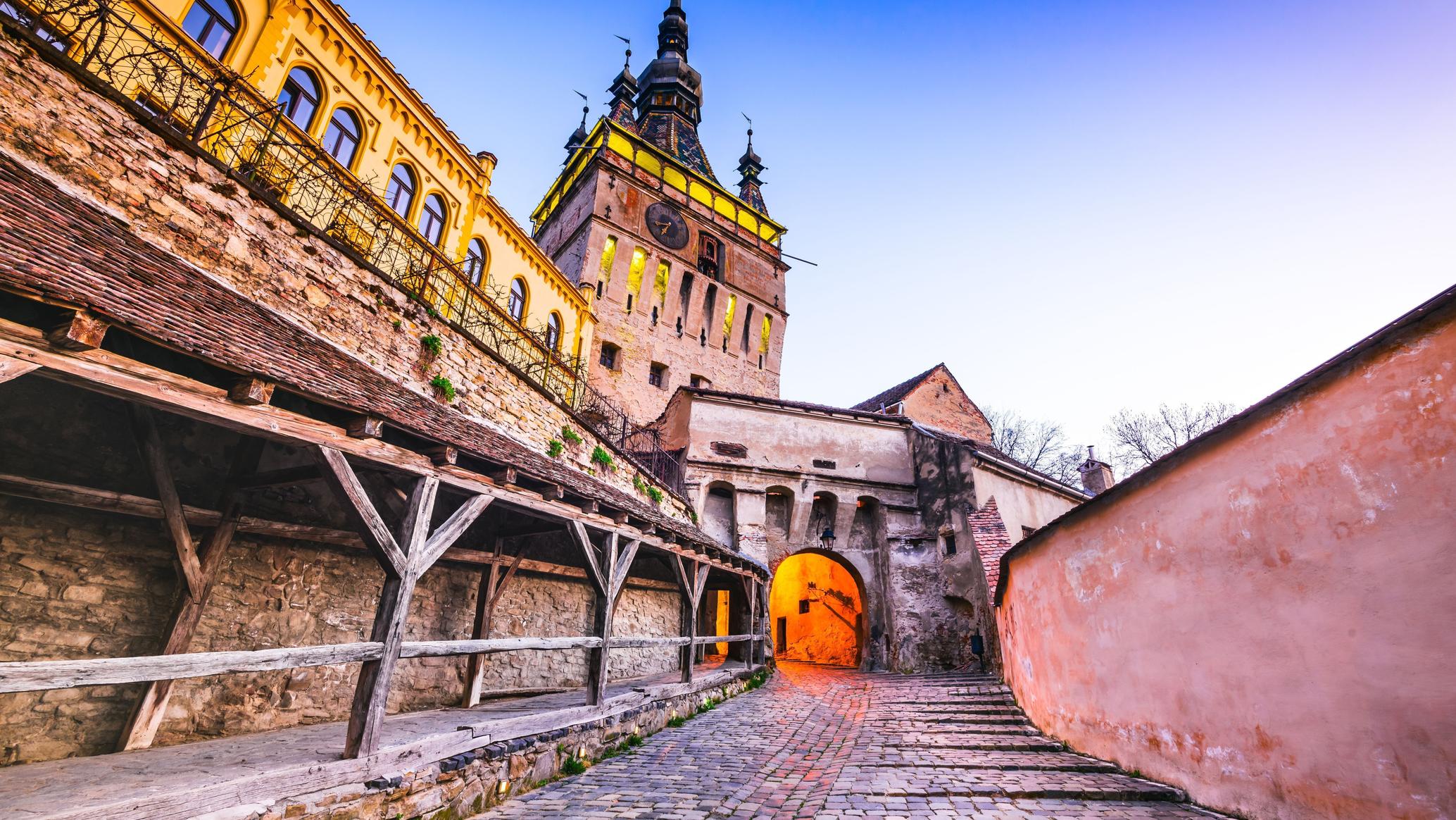
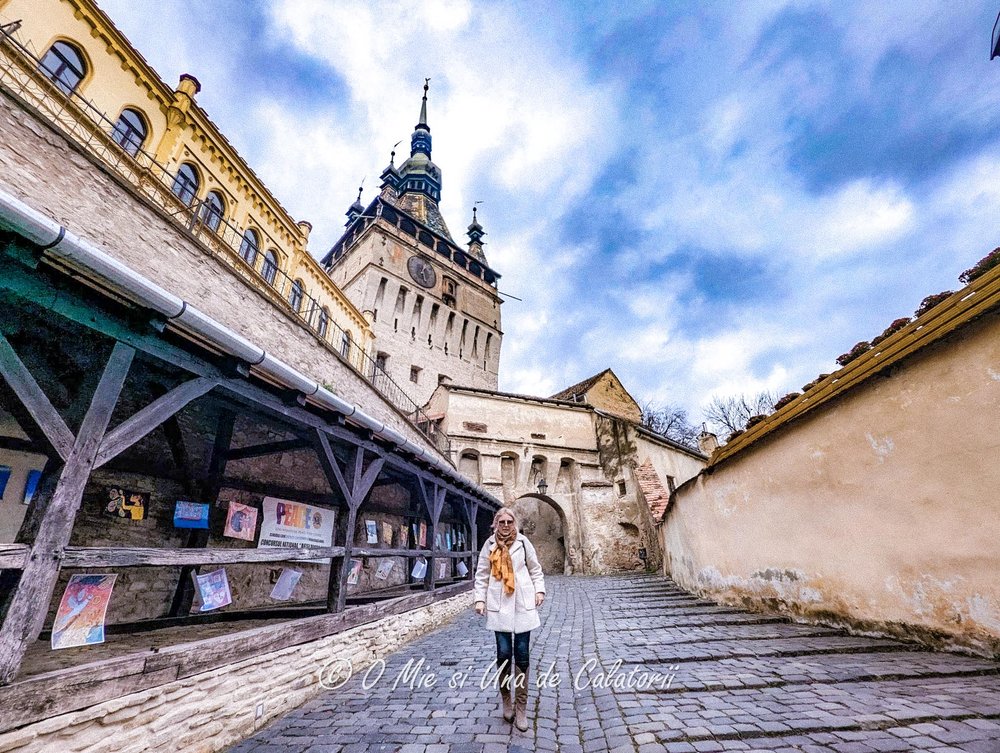
The main entrance to the citadel is below the Clock Tower, the key landmark of Sighisoara which dates back to 1280 and was once the Town Hall. The tower has a height of 64 metres and its solid walls are over 2 metres thick. The roof was destroyed several times and its current appearance dates from 1894, when the old roof was replaced with colourful ceramic tiles. At the beginning of the 17th century, a two-faced clock, was set at the top of the tower, with one dial facing the citadel and the other looking over the Lower City. The clock has a set of seven wooden figurines which face out over the Lower town. Each of them represents one of the pagan gods and appears on the appropriate day of the week – Diana, Mars, Mercury, Jupiter, Venus, Saturn and the Sun. The figures facing the citadel are Peace holding out an olive branch, Justice with a set of scales, and again wielding a sword, and two angels for night and day.
The Clock Tower is also home to the Sighişoara History Museum exhibiting collections of archaeology, folklore, pharmacy and medical instruments, furniture, Transylvanian ceramics, and clocks. There is also a torture room and an armoury.
Visiting hours: 15 May – 15 September – Tuesday-Friday 09:00-18:30, Saturday-Sunday 10:00-17:30.
From 16 September till 14 May – Tuesday-Friday: 9:00-15:30, Saturday-Sunday 10:00-15:30.
Towers
The 19 craftsmen’ guilds in Sighişoara had well-defined statutes ever since the 16th century that, for example, forbade the increase in the number of employees and planned the procurement of raw materials. The competition between the guilds was strong, while the competition between the guilds in different towns was even stronger. For example, if the locksmiths in Braşov brought inappropriate locks at to the Fair in Sighişoara, the locksmiths of Sighişoara had the right to confiscate them. After the establishment of the guilds, the craftsmen became wealthier and wealthier and they even had representative in the council of the citadel. Every tower hosted the headquarters of a guild during the Middle Ages. These are some of the towers still in existence : the Ropemakers’ Tower – now home to the cemetery guardian, the Tailors Tower which dates back to the 14th century and was used to store gunpowder until it exploded during the 1676 fire, almost totally destroying it, and the Goldsmiths Tower, which was the key to the defence of the town, and was became a mortuary chapel in 1935.
The School on the Hill
One of the oldest schools in Transylvania, the School on the hill in Sighişoara was established at the beginning of the 17th century. A high-school still functions nowadays in the medieval building. The Covered Staircase, also called the Pupils’ Staircase, was built in 1662 to ease the way to school for pupils during harsh winters. The longest staircase in Transylvania, the building initially had 300 stairs and was protected by a roof. Only 175 stairs are left following modifications made in 1849.
Sighişoara Mediaeval Festival
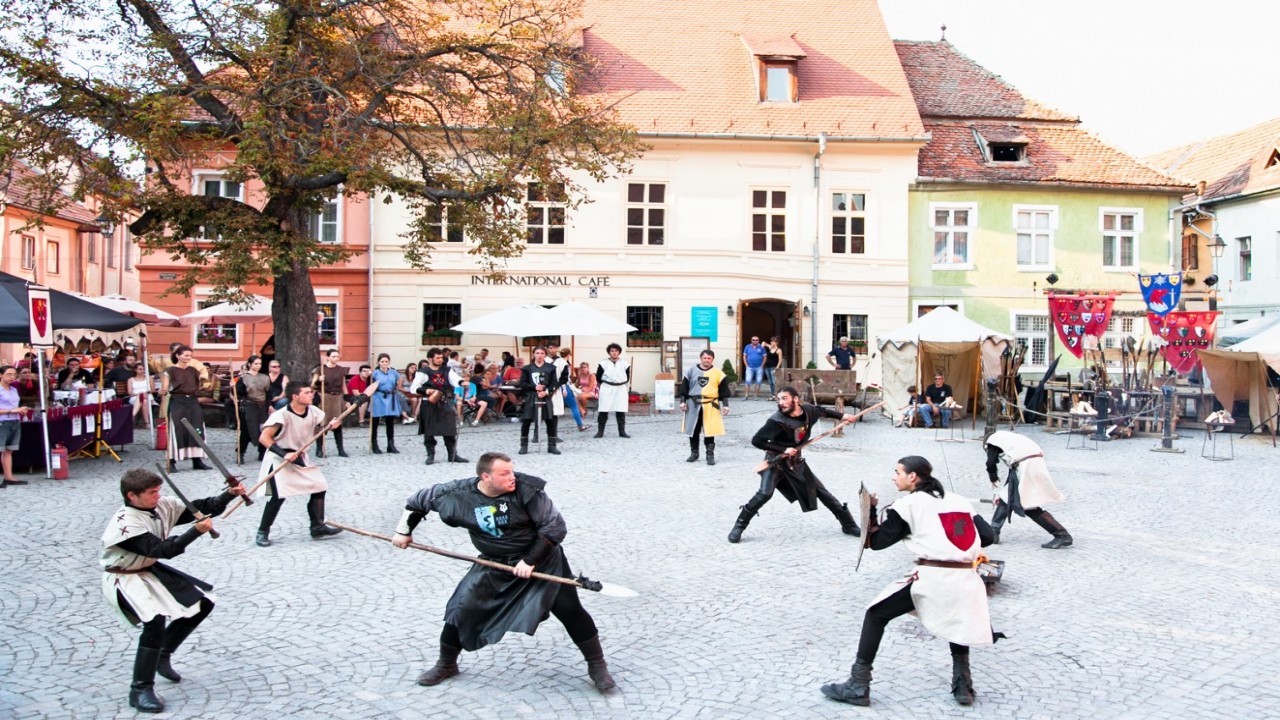
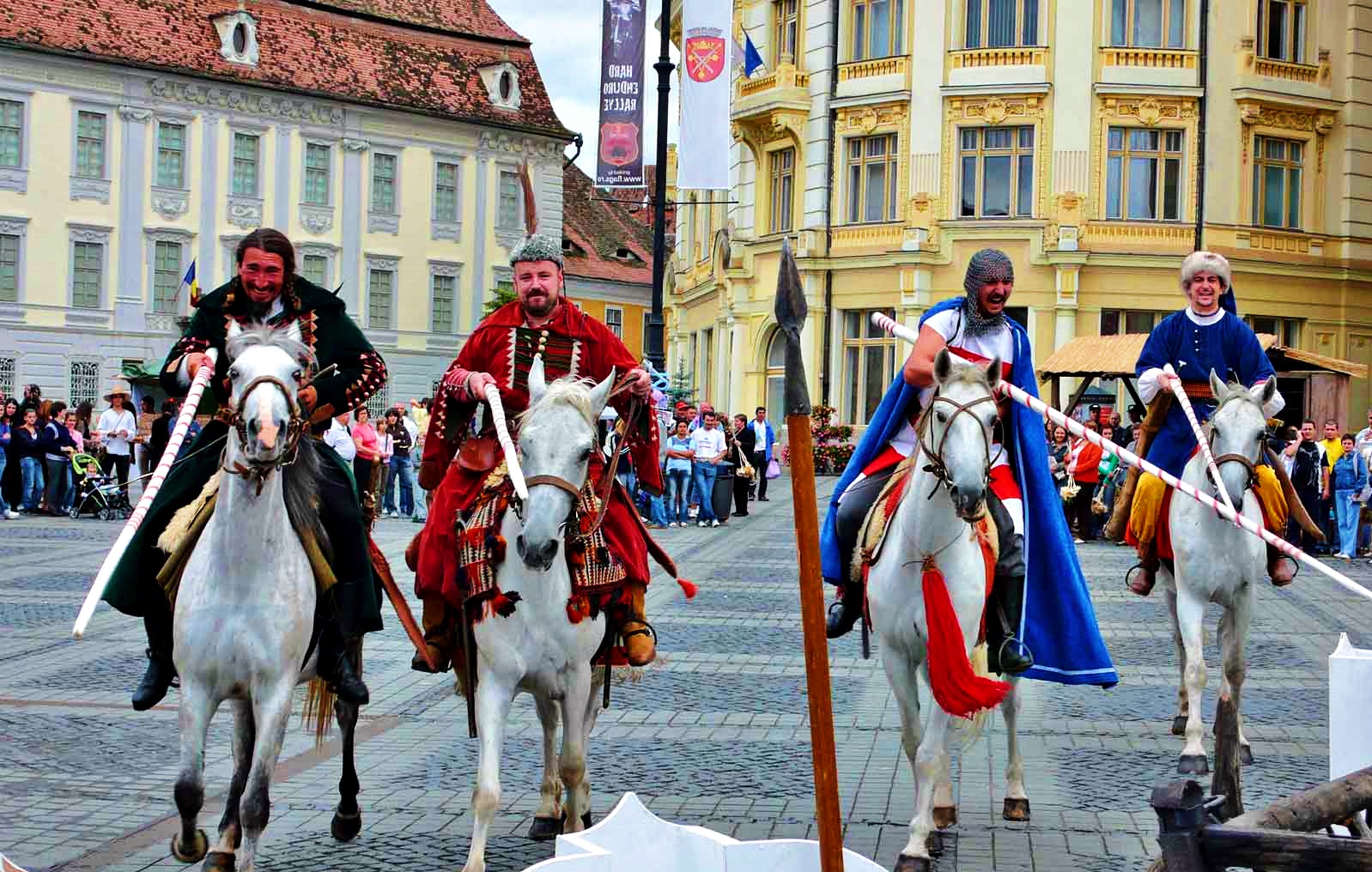
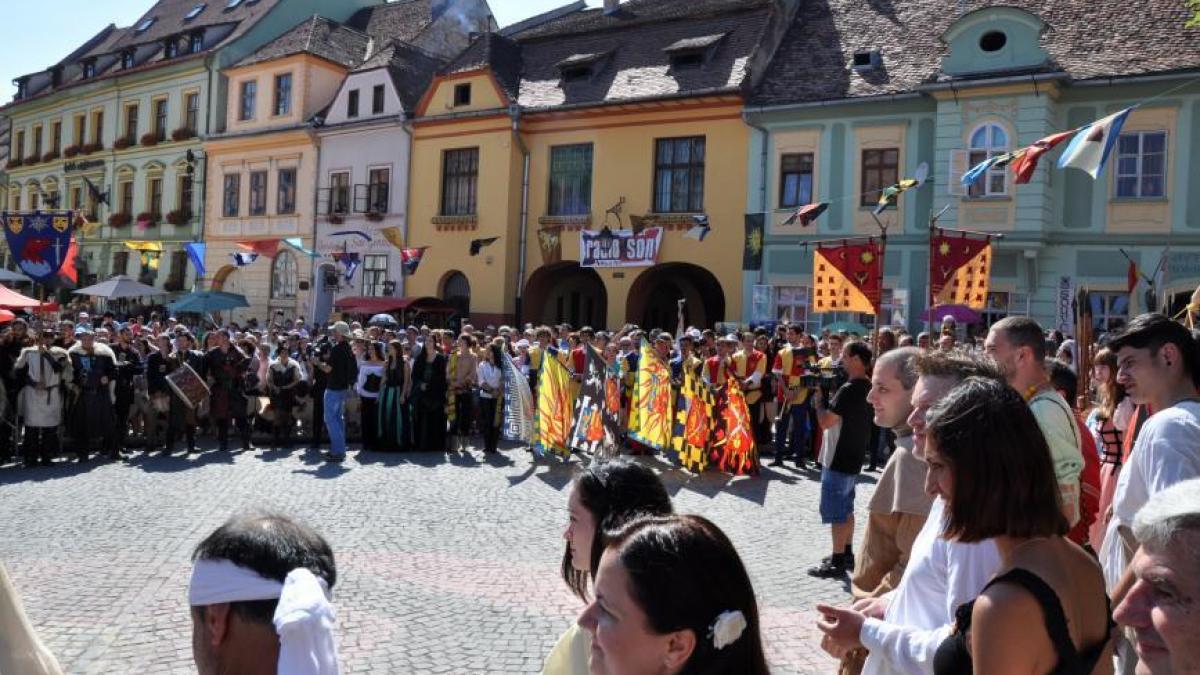
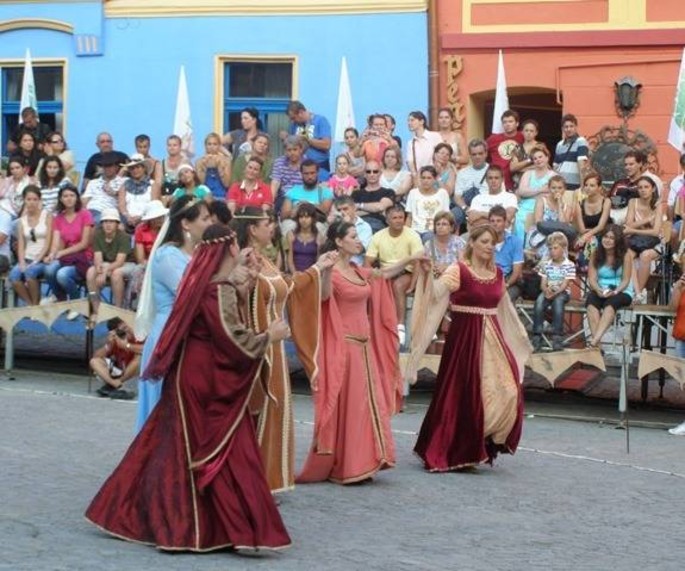
Every year, on the last week-end in July, the citadel hosts the Sighişoara Medieval Festival. The atmosphere of the Middle Ages is revived with kings and queens, princes, princesses and knights dressed in silk and lace mediaeval costumes, or with armour and swords. Every year the light and music show is reinvented as the organizers try to bring something new for the enthusiastic tourists.