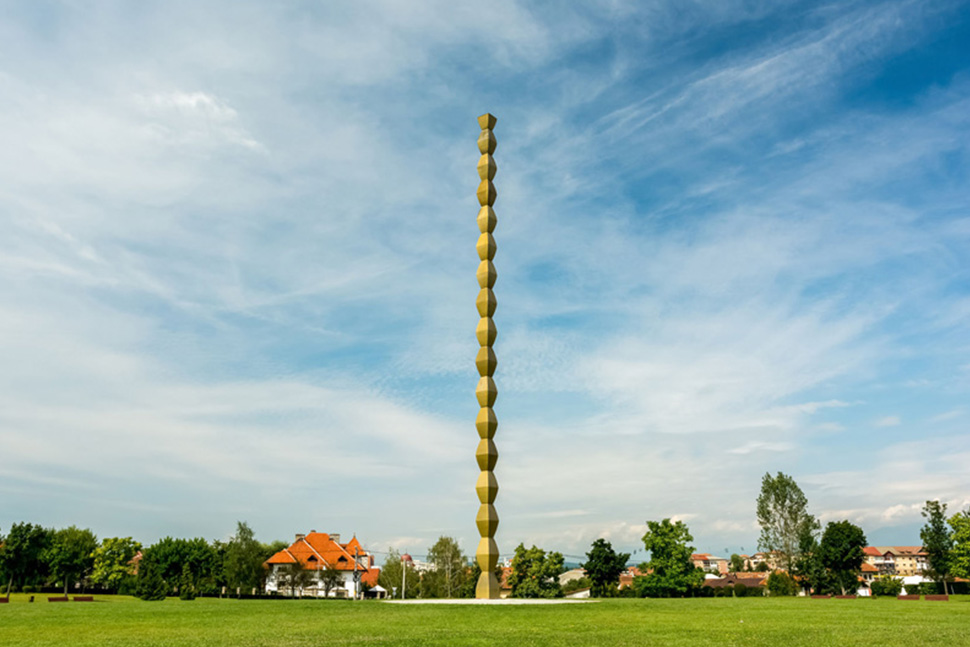
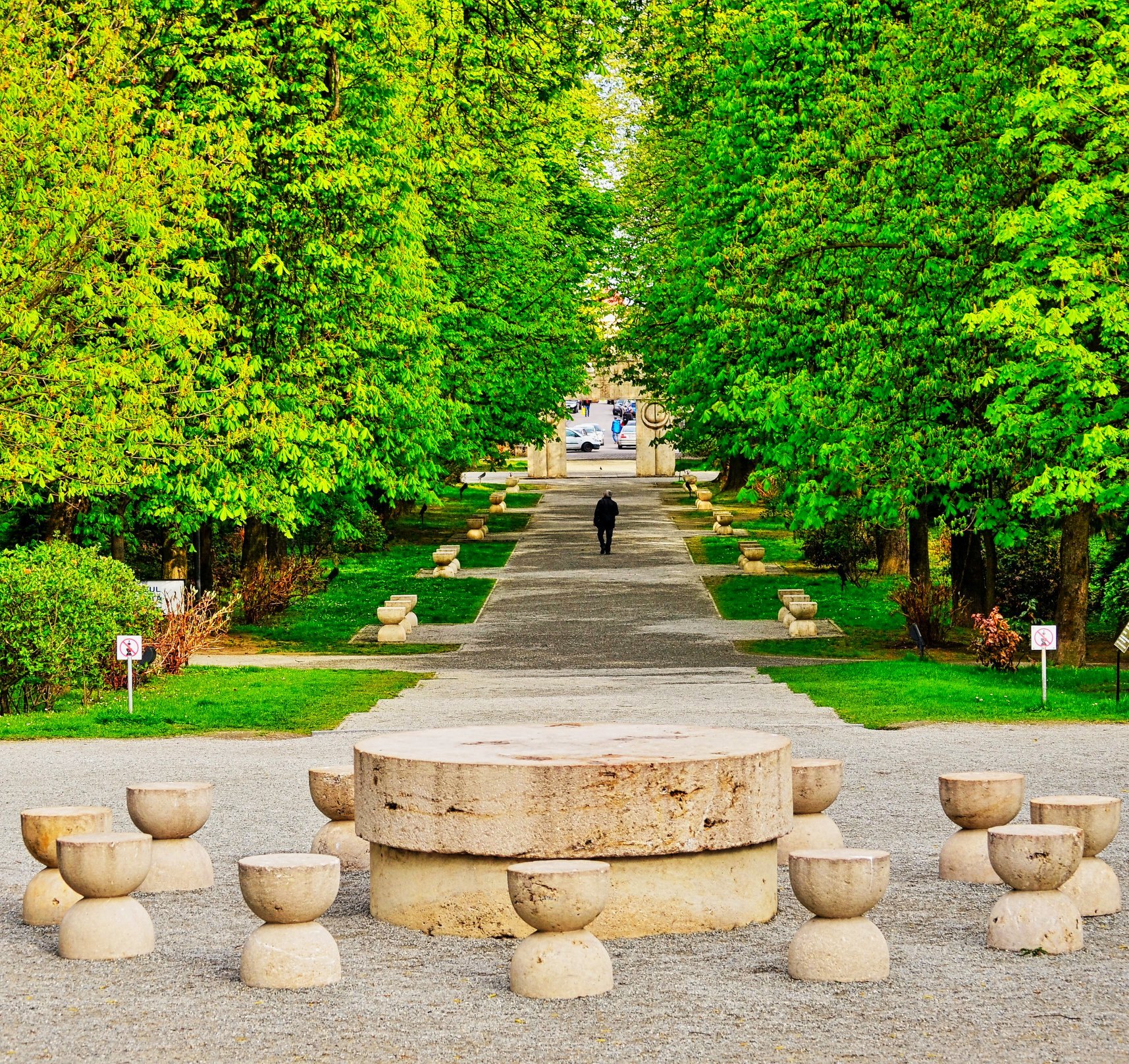
The sculptor Constantin Brâncuşi was born in village of Honita, near to Targu Jiu. Several of his most important works such as the Endless Column and the Table of Silence can be seen in a park in the town.
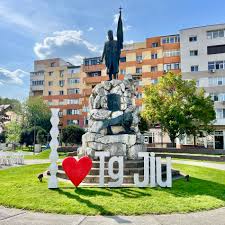
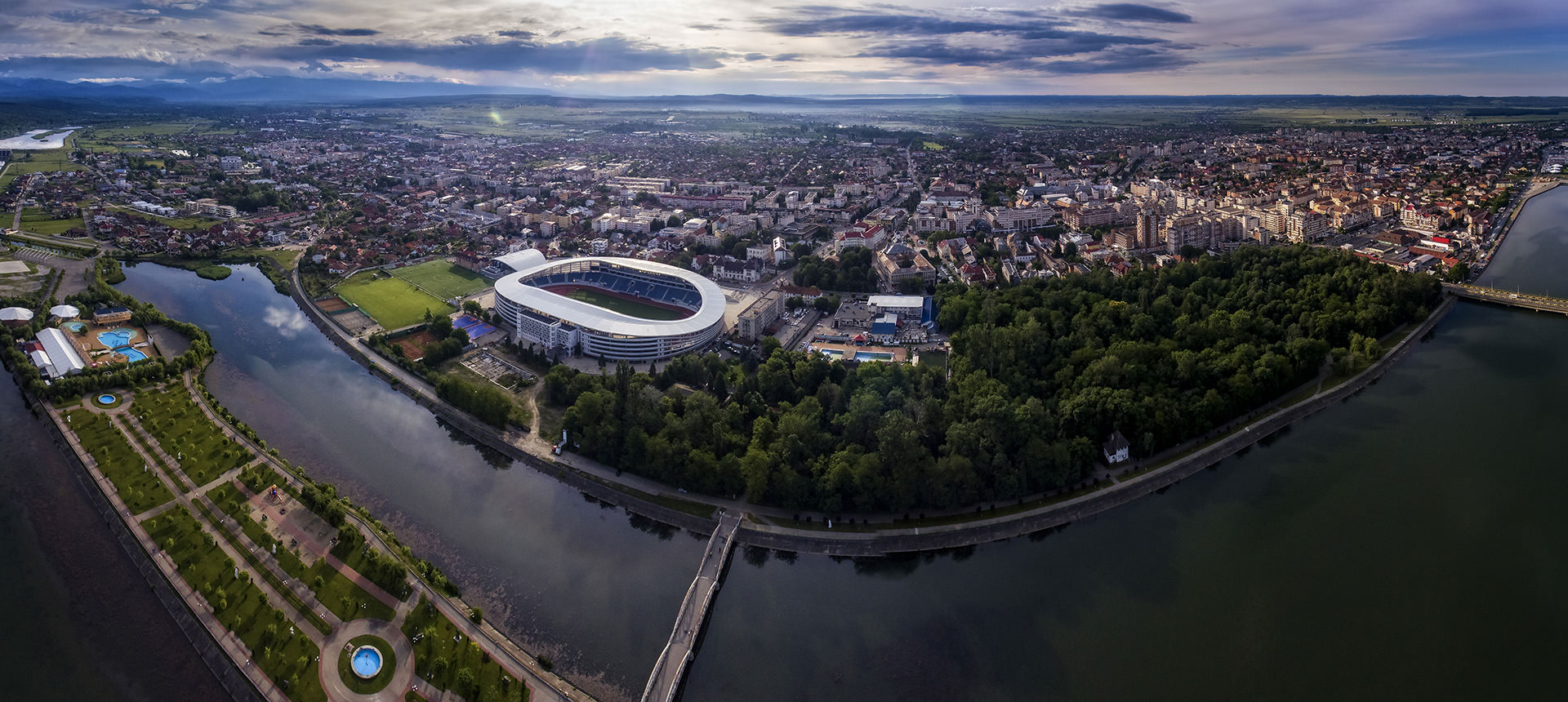
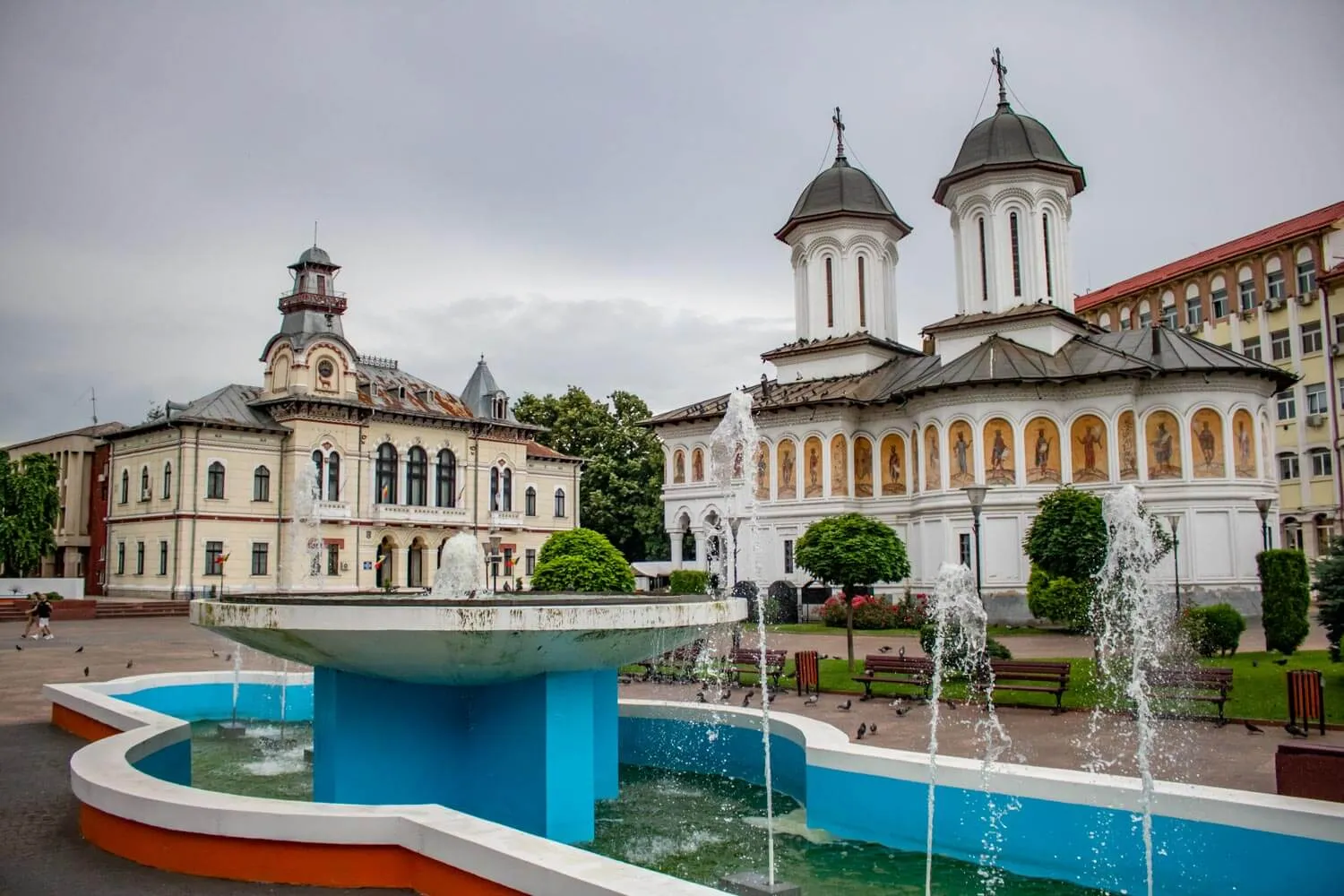
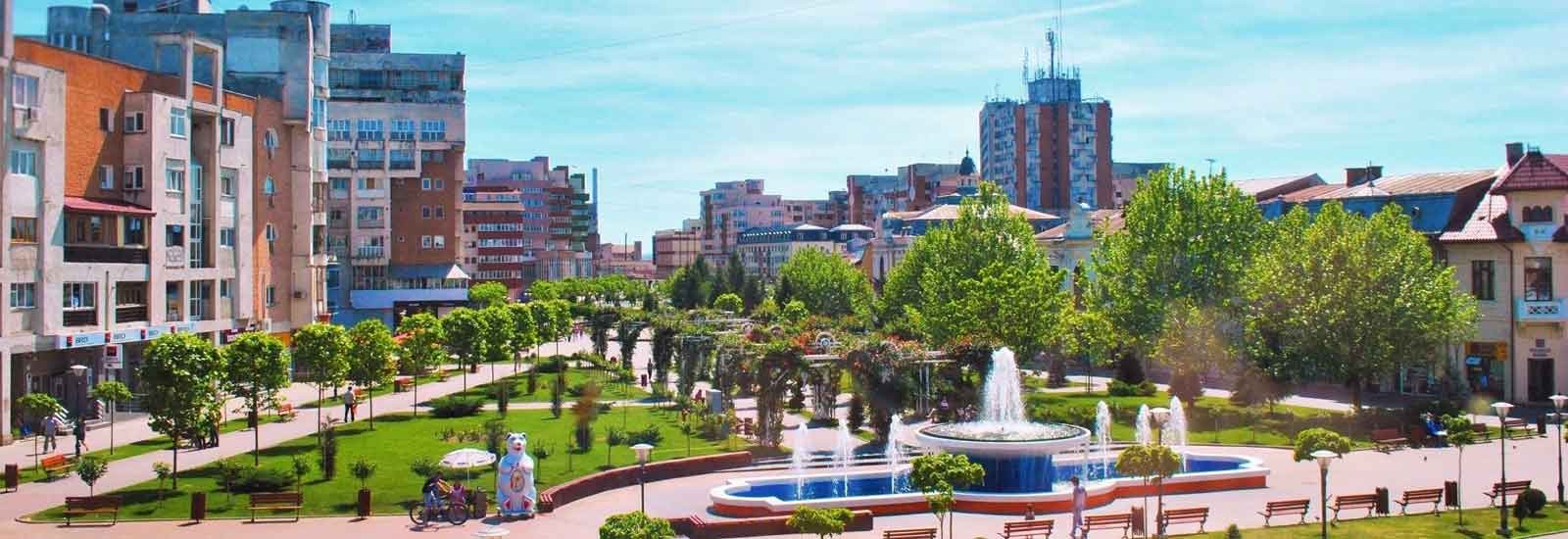
Târgu Jiu, which lies just to the south of the Carpathian Mountains, is built on the foundations of a Dacian village, surrounded by wild forests. Târgu Jiu is situated at the intersection of roads from the Danube, Transylvania and Banat. The Roman army passed during the wars to conquer Dacia. Later on, during the Middle Ages, it became a main commercial centre. The city takes its name from the Jiu River, which flows through it between the Carpathians and the Danube. Târgu Jiu has Romanian style architecture with Oriental, and French and German Renaissance influences.
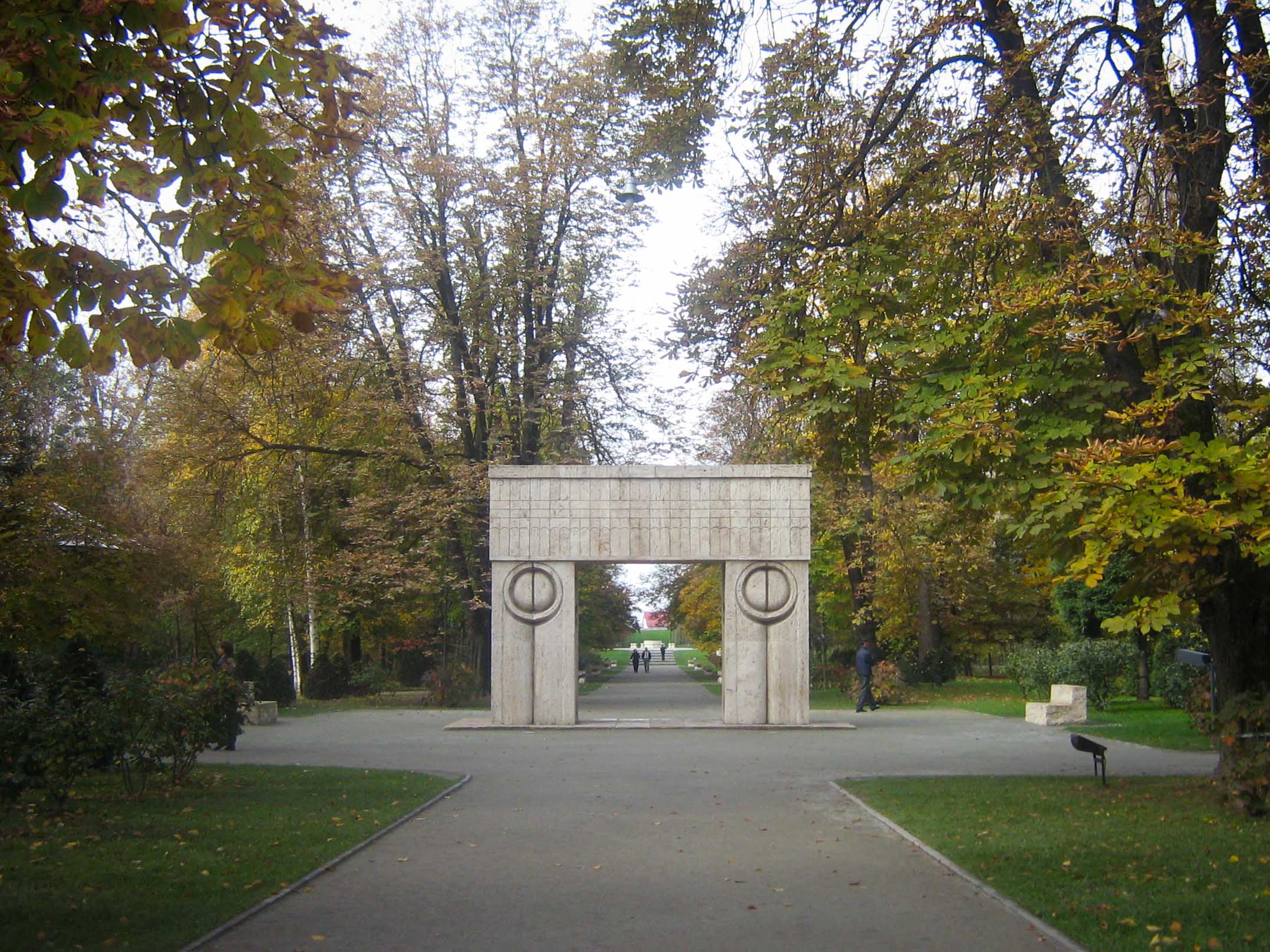
The famous sculptor Constantin Brâncuşi was one of the most important sculptors of the 20th century. His works updated the plastic expression of sculpture and are displayed in museums all over the world. Brâncuşi designed and built an open-air monumental ensemble in the centre of Târgu Jiu in 1938.
Three monumental sculptures – the Table of Silence, the Gate of the Kiss and the Endless Column – can be seen on Calea Eroilor (the Heroes’ Street), an alley of more than one kilometre. The Table of Silence symbolises the meeting of the future heroes before the battle, and the 12 chairs around it are in form of clepsydras. The Gate of the Kiss moves you through to another life, but the sculpture is also a symbol of marriage. The most important piece of the ensemble is the Endless Column, almost 30 meters high, which is a tribute to the Romanians that died fighting in the 1st World War, and is a representation of the funeral pillars used in Southern Romania. The Calea Eroilor Monumental Ensemble in Târgu Jiu was included in the European Patrimony in 2003.
The memorial-house where Constantin Brâncuşi was born can be visited in Hobiţa village, 24 kilometres from Târgu Jiu.