The most beautiful mountain resort in Romania has attractions for all the seasons.
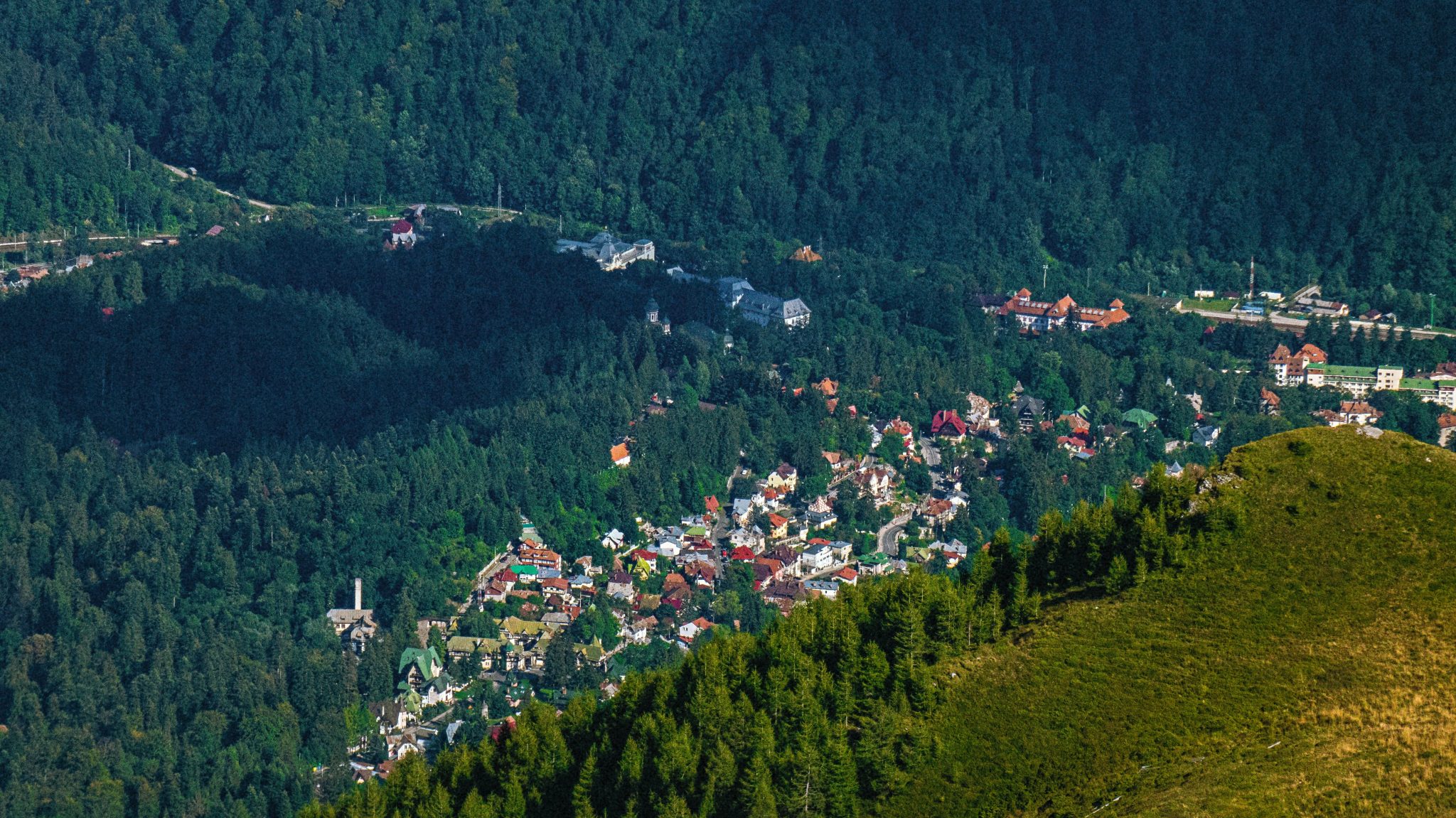
Sinaia is a relatively new settlement, situated 100 km north of Bucharest in the Carpathians. The first construction was Sinaia Monastery, constructed in the 17th century. A settlement began to develop here once the Austrians built the road along the Prahova valley so they could cross the mountains from Transylvania to attack the Ottomans in Wallachia. The inns were established at the same time as traders’ chariots arrived there and the region got populated.
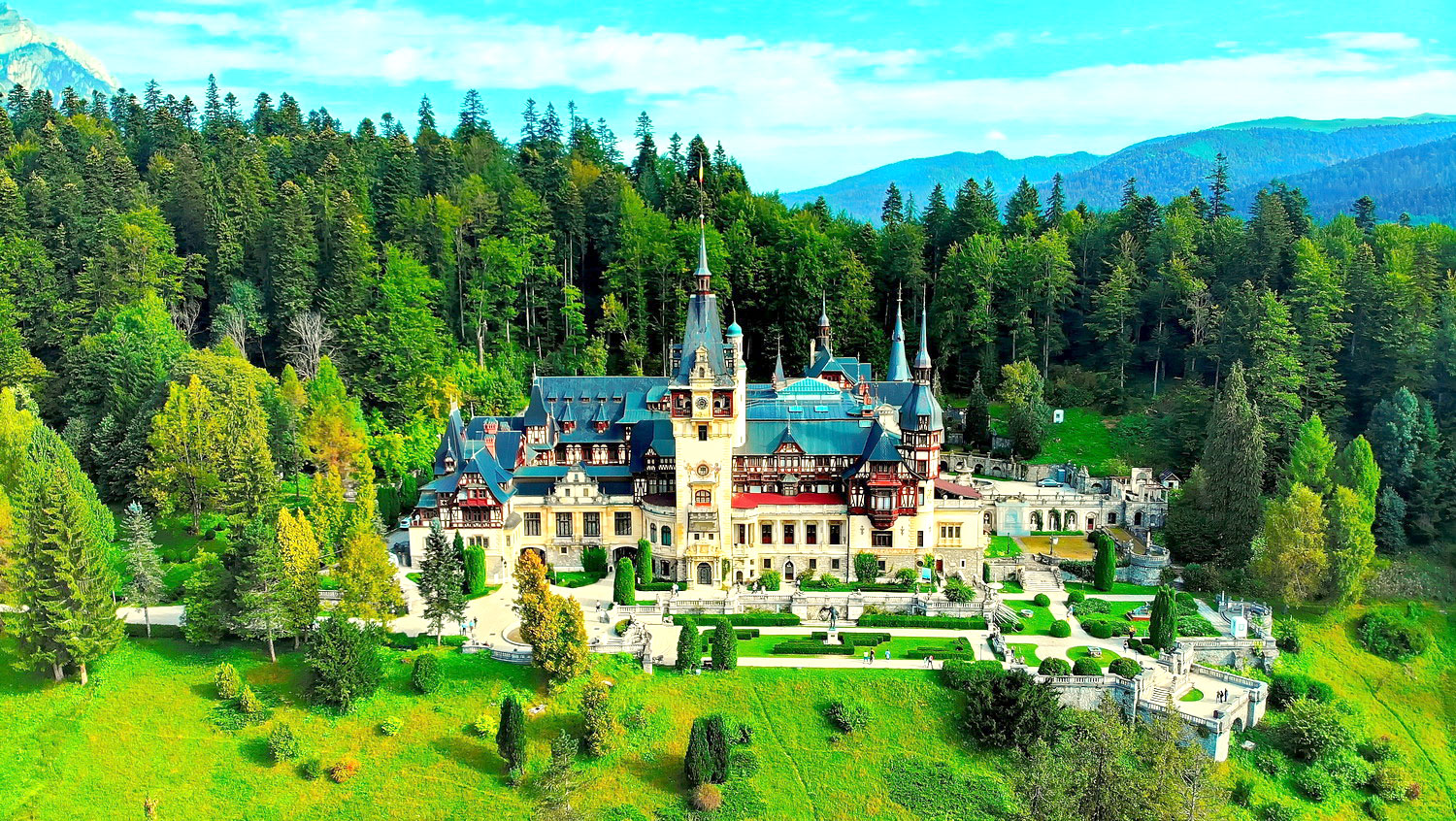
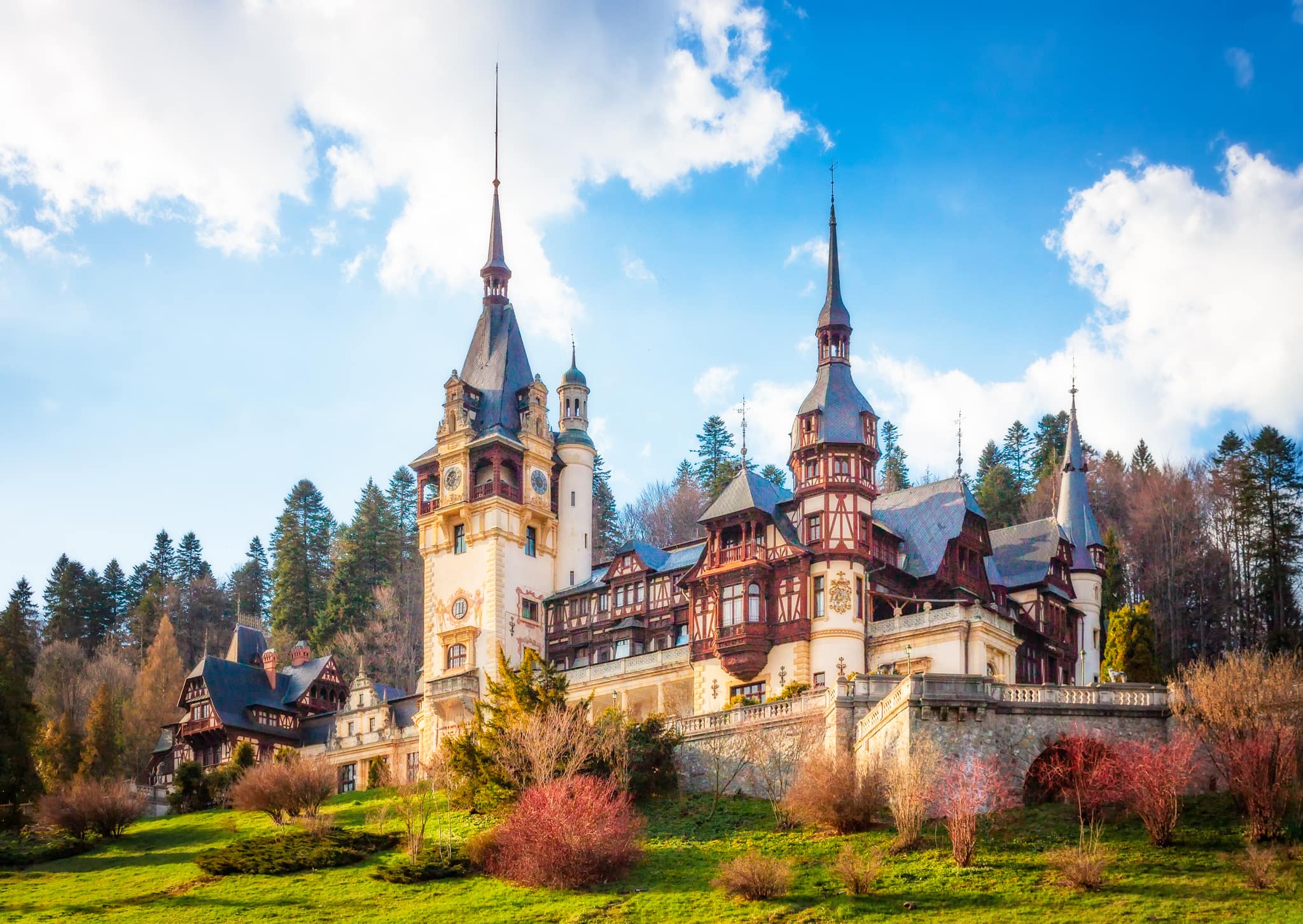
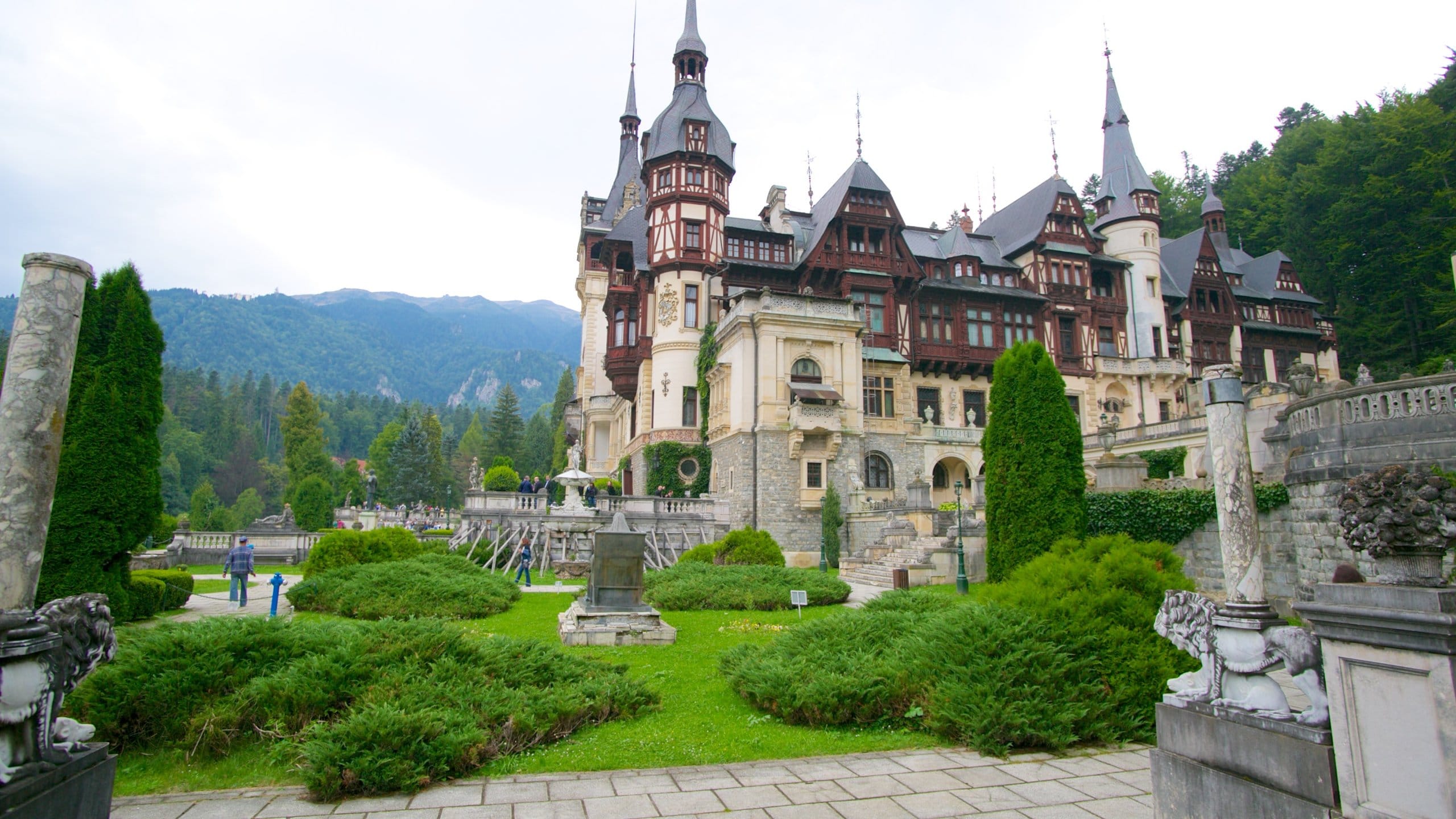
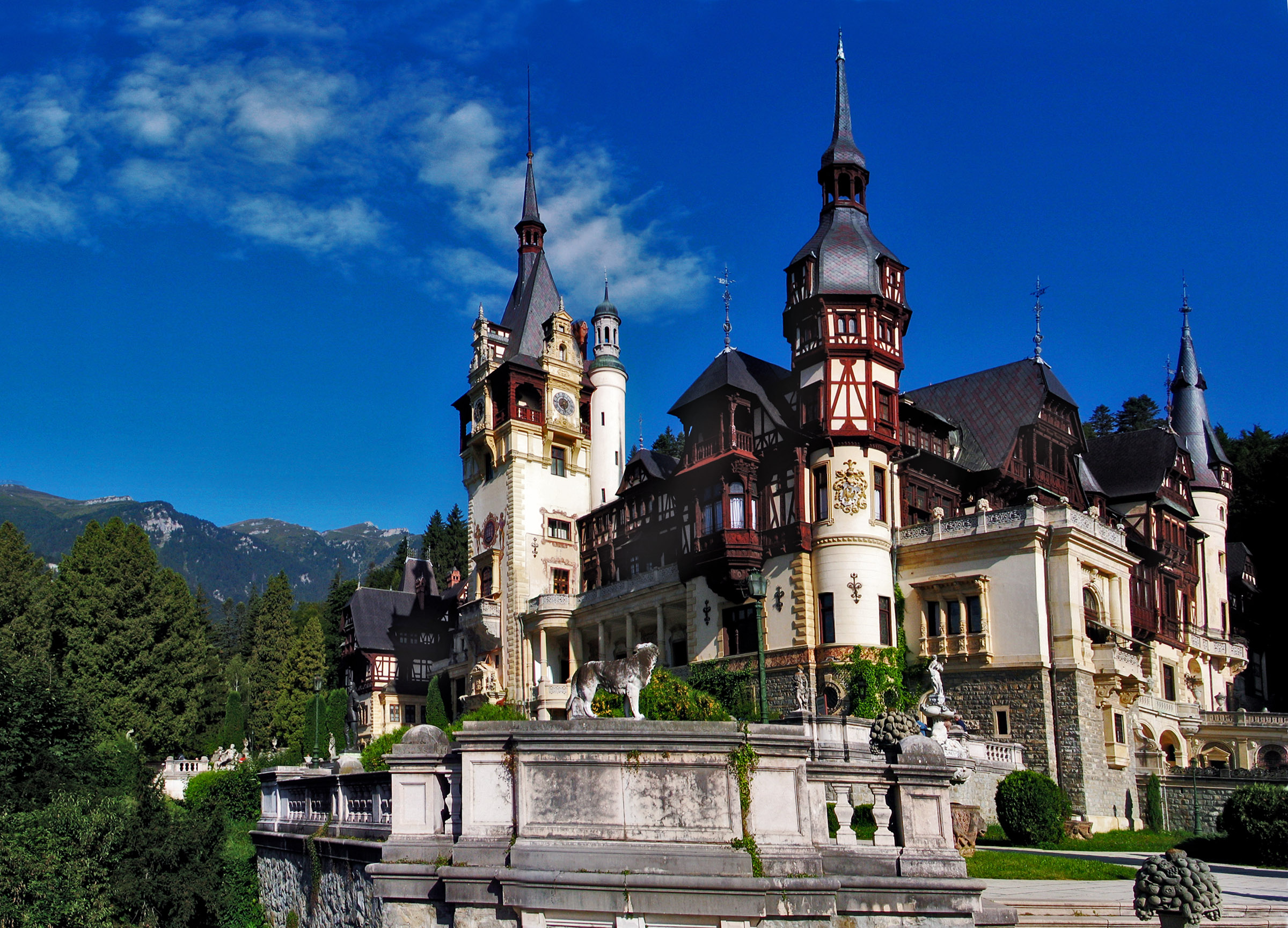
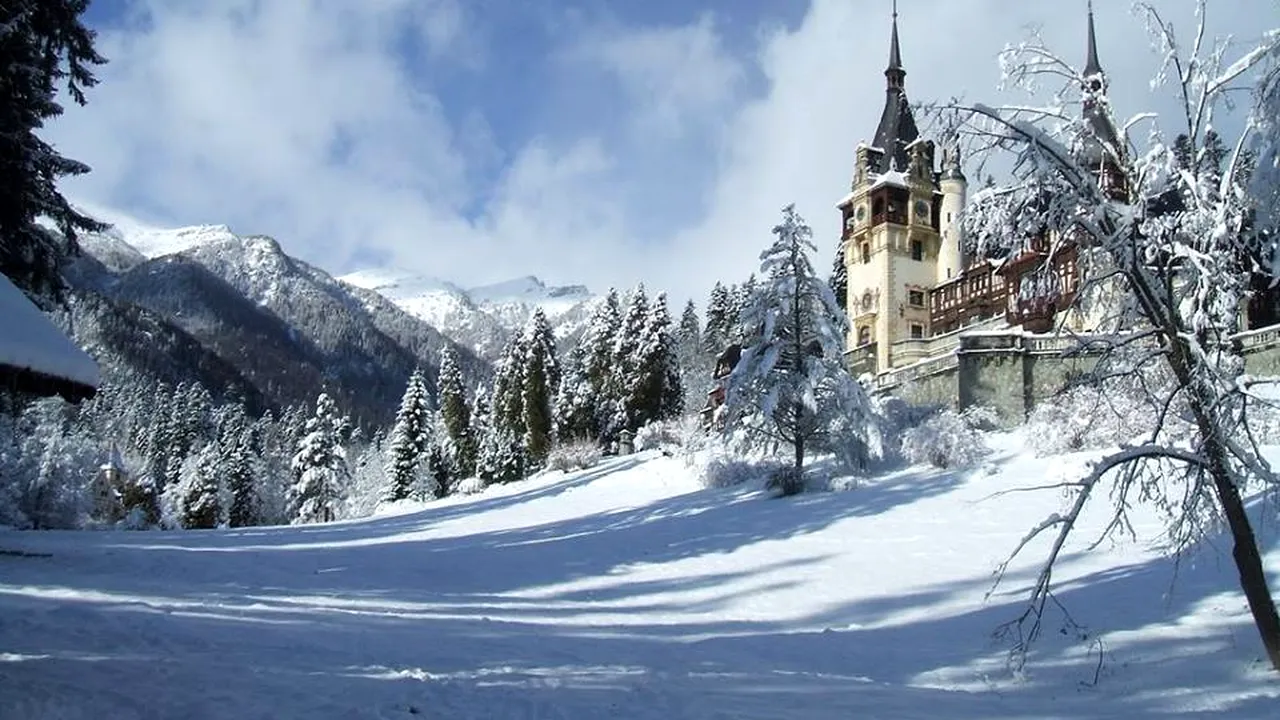
The interest in Sinaia increased during the second half of the 19th century, after the first king of Romania, Carol I, visited the little mountain village and, charmed by the landscape, decided to build a royal residence there. Peleş Castle was completed in 1883, after 10 years, and Sinaia found itself growing in popular as place to spend the summer as a consequence. Stâna Regală (the Royal Sheepfold), a glade neighboured by the Franz Joseph Stone, where a secret meeting is said to have taken place between the Austrian emperor and King Ferdinand of Romania, is located a few kilometres away from Sinaia. The place where the Stone lays offers a splendid overview on the entire region.
Peleş and Pelişor
Peleş şi Pelişor
King Carol I bought the Sinaia domain from his personal funds. Peleş Castle was used as a royal summer residence, and also as a venue for several important political events, such as the Crown Council in 1914 that decided the initial neutrality of Romania in the First World War. The Royal Family welcomed important guests at Peleş, including Emperor Franz Josef, who was enchanted by the castle.
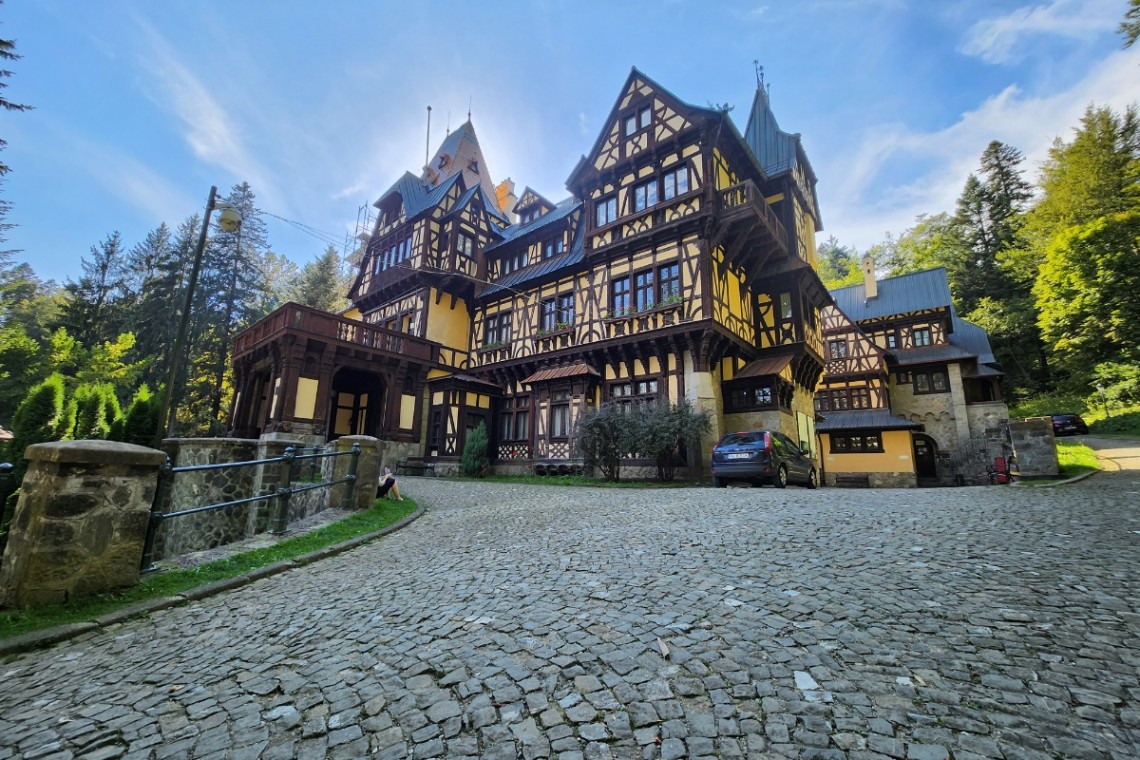
The exterior of the castle is German Neo-renaissance style, while the about 160 rooms are finished in a variety of different styles, including German, Italian and English Renaissance, German Baroque, French Rococo etc.). The Council Room, the Florentin Room, the Moorish Salon, the Armories, the Playhouse, the Concert Hall, The Turkish Parlor and others, are all sumptuously decorated, and are among the most spectacular in the castle.
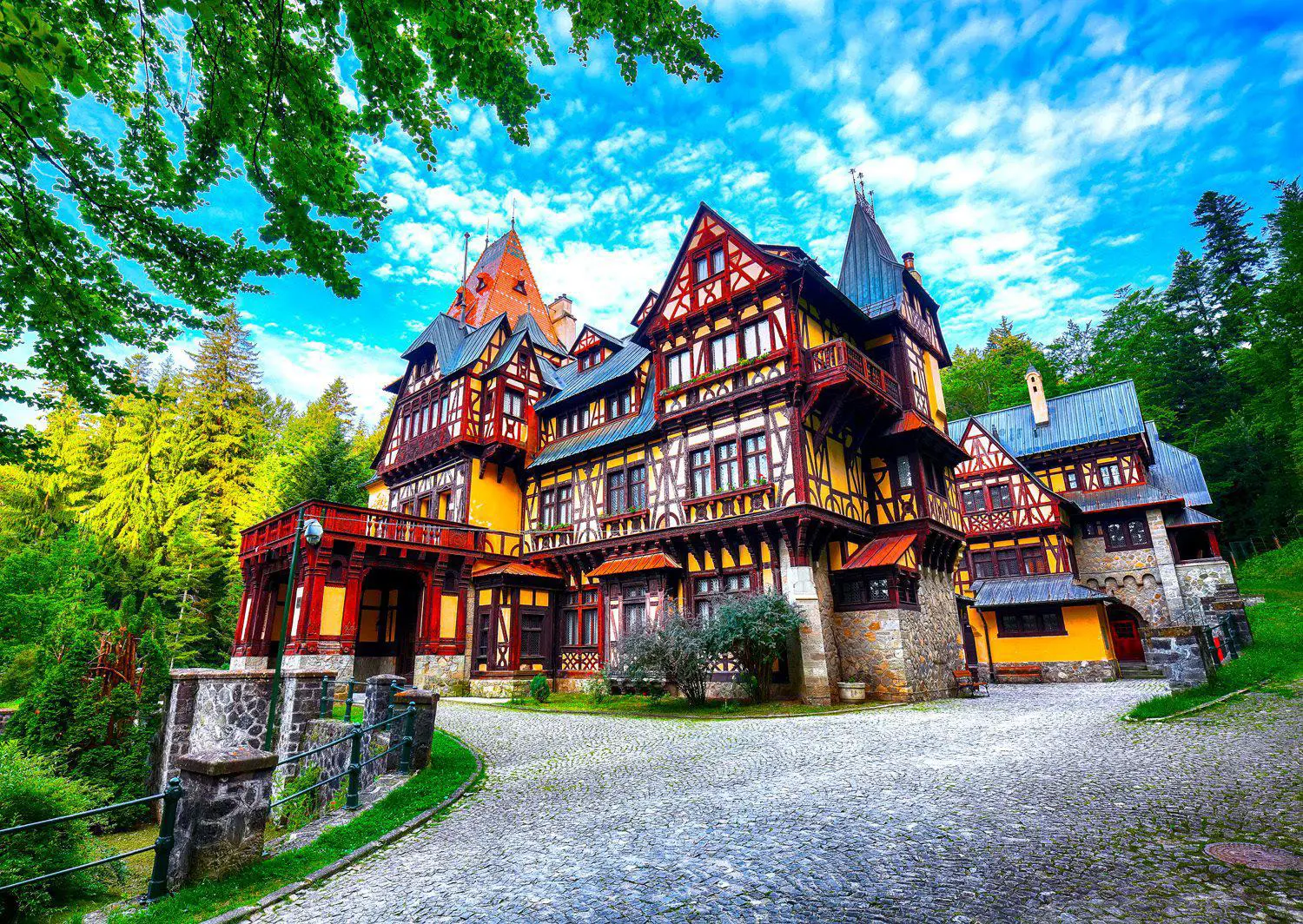
The smaller Pelişor Castle, completed in 1903 as the residence of the royal heirs, is situated a few hundred metres from Peleş. The communist regime confiscated all the royal properties in 1948, and Peleş Castle became a museum five years later. However, in the last years of the regime, the whole area was closed off to the public and the properties reserved for use by Ceauşescu. After 1990, Peleş and Pelişor Castles were reopened to visitors.
Sinaia Monastery
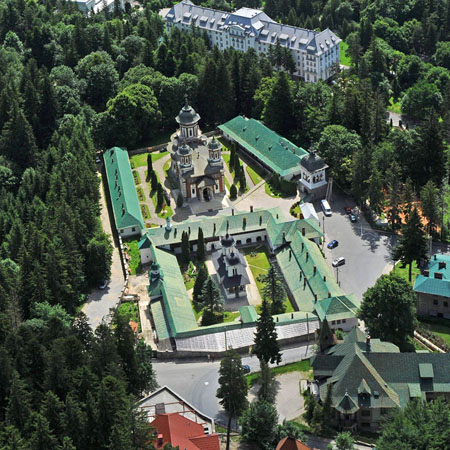
The resort of Sinaia ultimately developed around a religious settlement founded by a boyar after his pilgrimage to Mount Sinai. Initially, it held twelve monks (a reflection of the twelve apostles of Christ), but their number increased as years passed. In the middle of the 19th century, a new church with more cells was built near the old Brâncovenesc-style church (a style characteristic to the architecture of Wallachia). The monastery bell was brought from Bucharest and it weights 1,700 kilograms. The Complex also contains the first religious museum in Romania, inaugurated in 1895, to celebrate the bicentennial of the monastery.
The Casino
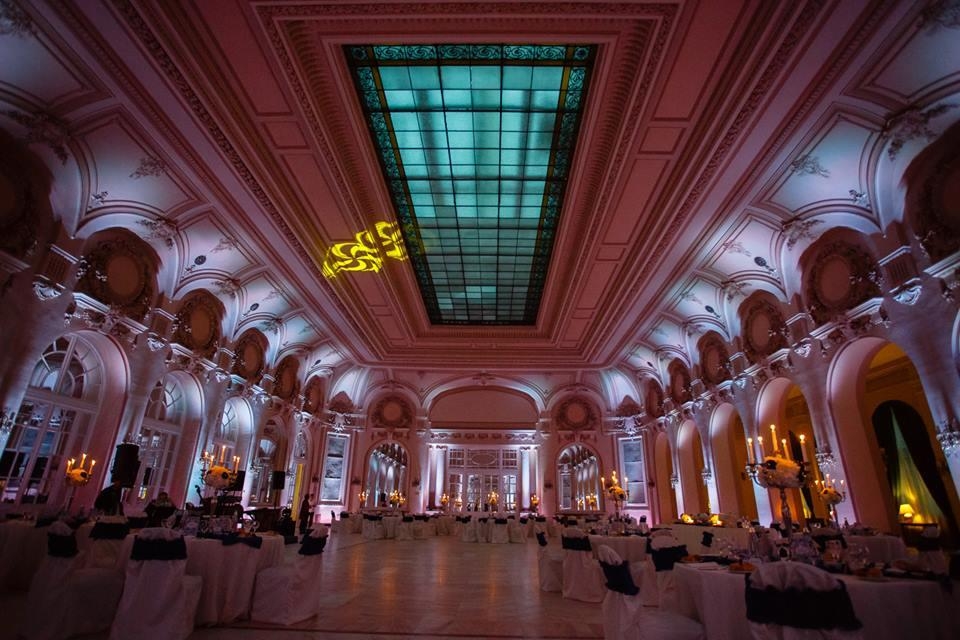
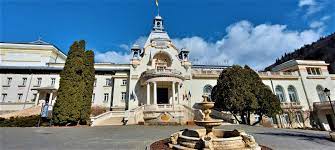
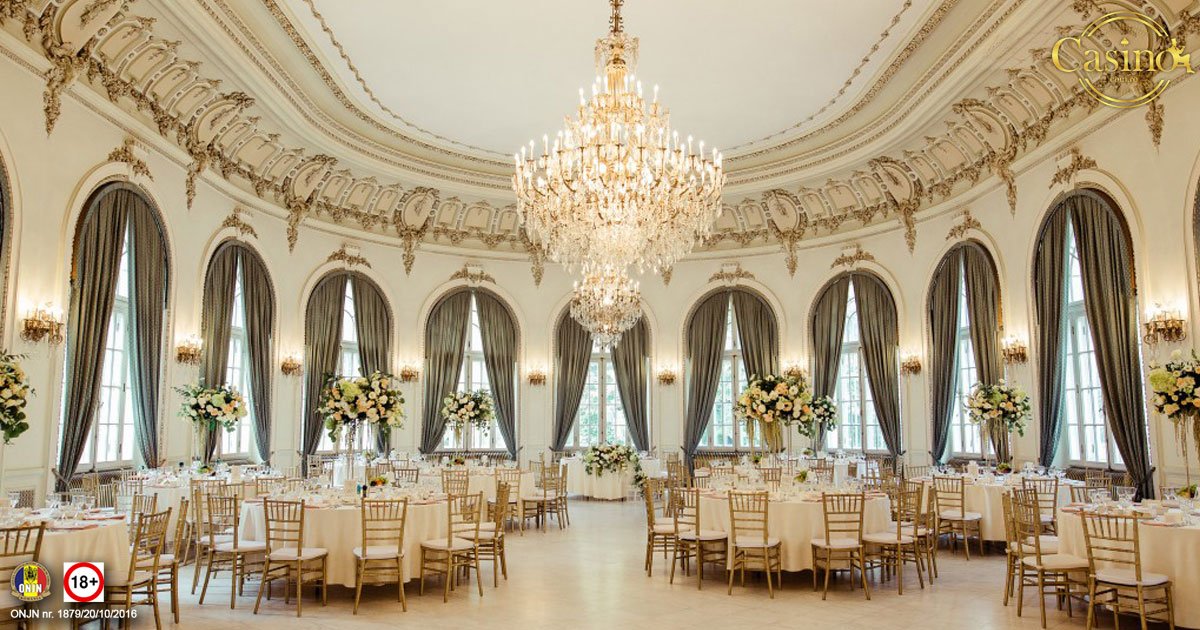
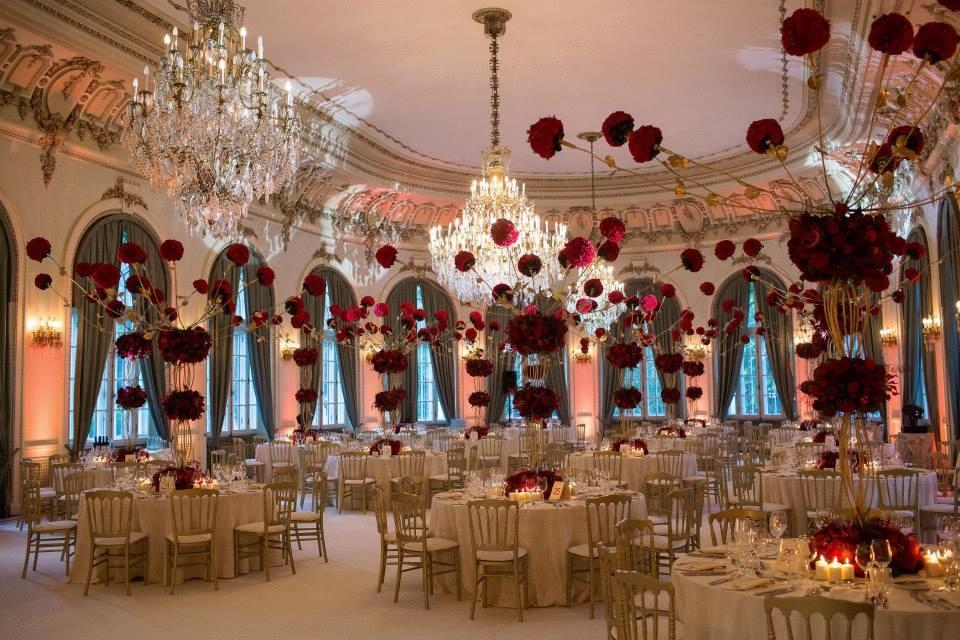
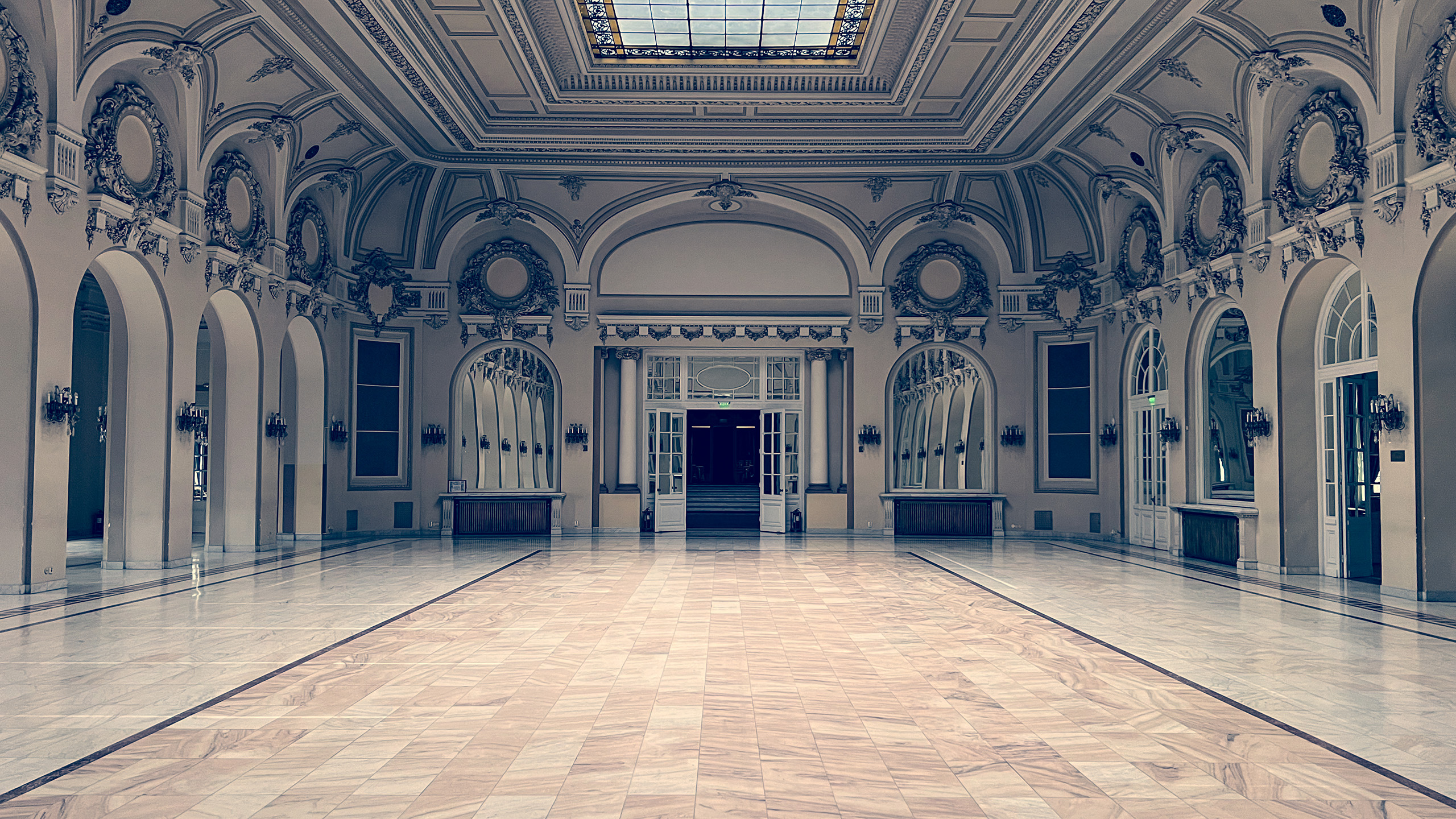
The Casino, which is one of Sinaia’s best known landmarks, was commissioned almost a century ago and built within one year. Prominent personalities of the time attended its inauguration, among them the Royal Family and the composer George Enescu. The composer subsequently bought a house in Sinaia which is now a museum. The Casino is situated on the site of Sinaia’s first villa, just north of the town centre. Gambling and elegance made the Casino one of the irresistible attractions of Sinaia with as many as 800 visitors each day during the glory days. The elegant Casino now includes an international conference centre.
Sinaia Casino: 2, Carol I Boulevard
Seasonal attractions
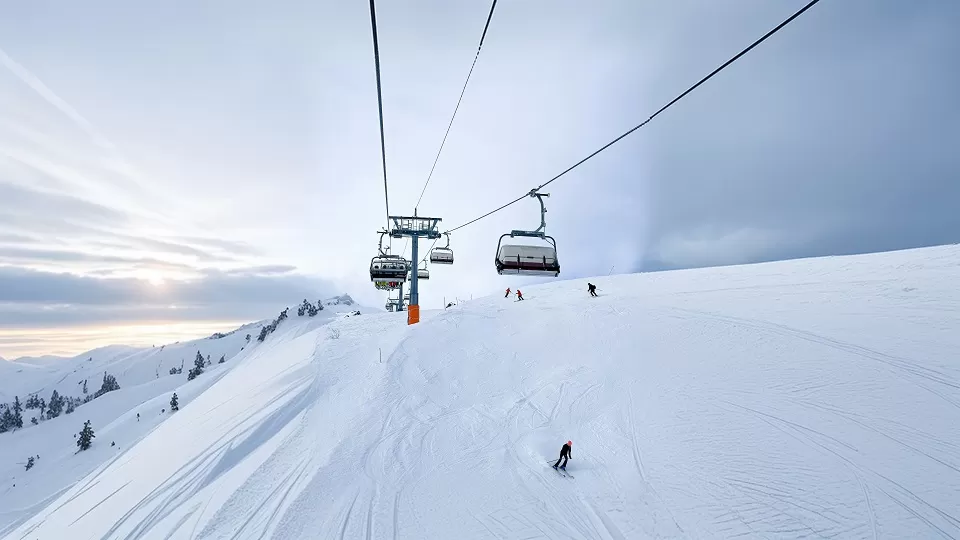
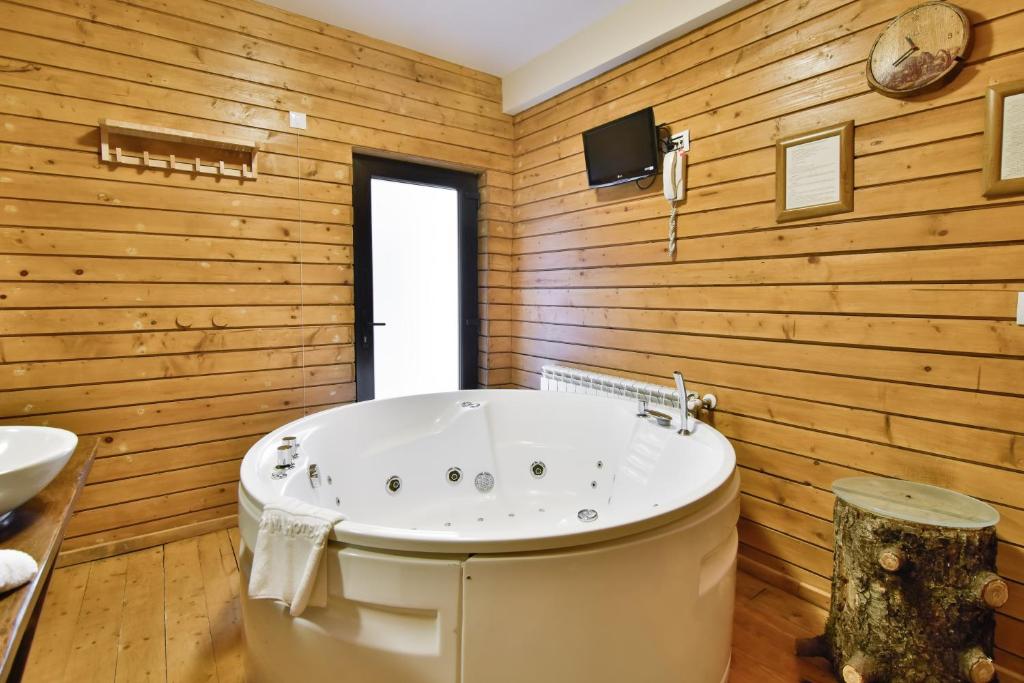
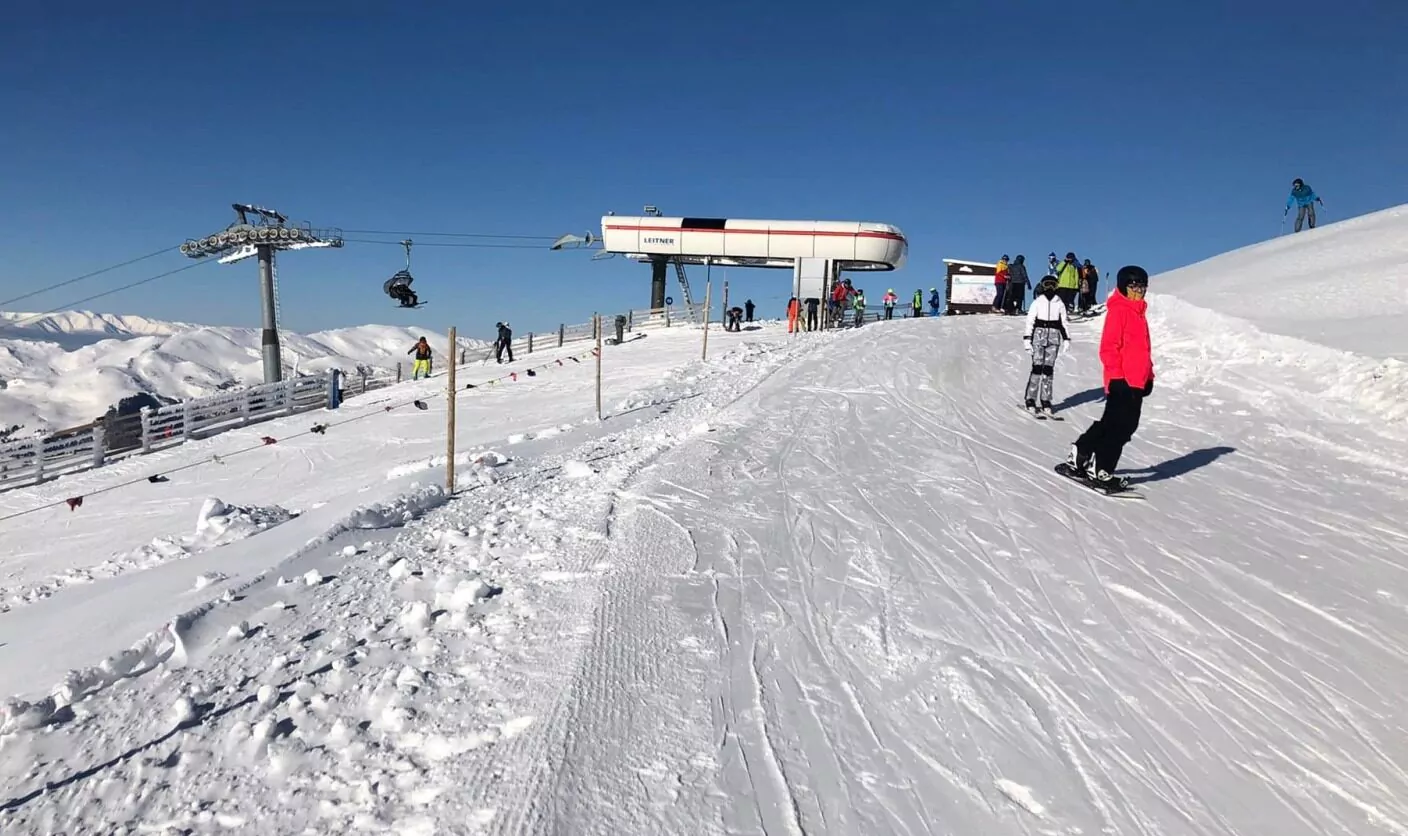
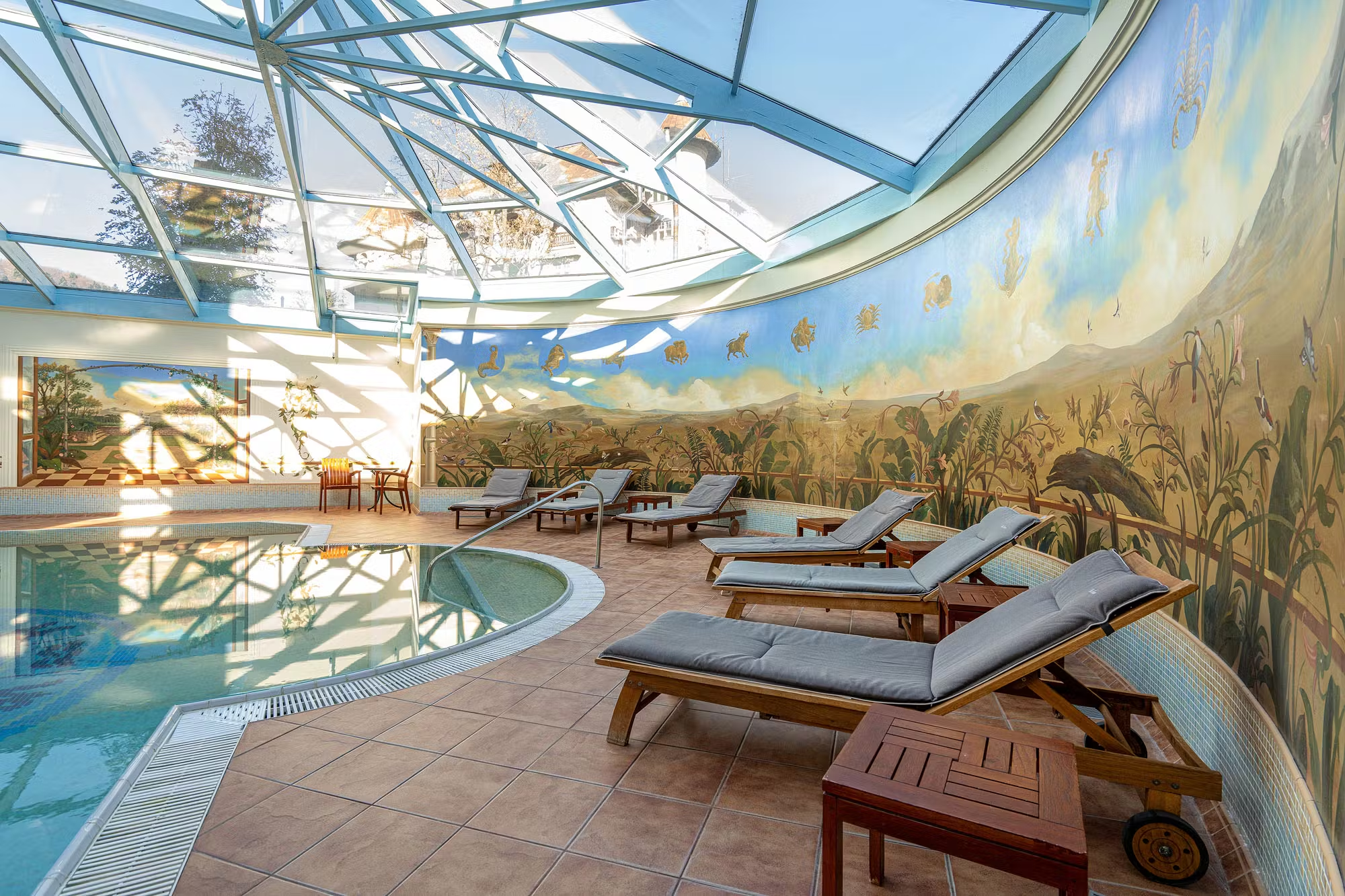
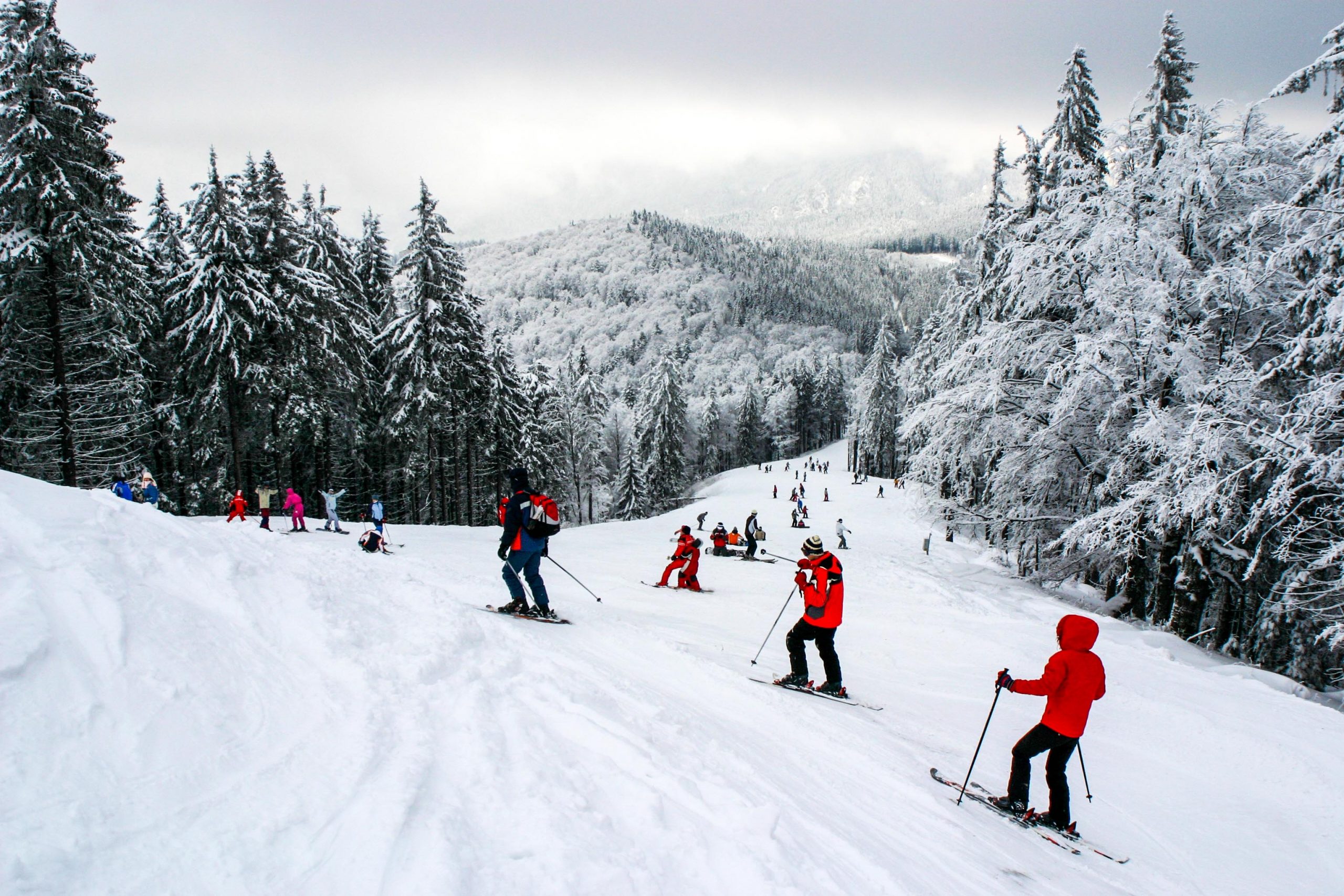
Sinaia is a lively year round resort. During winter it functions as a popular ski resort providing good slopes and facilities for skiers and snowboarders. The beautiful mountain scenery, woodlands and forest trails, and a selection of decent hotels and restaurants also make Sinaia attractive as a holiday destination in spring, summer and autumn. It also caters for climbers and mountain hiking with good hiking routes of various levels, and easy access by cable railways up to Cota 2000 (2000 metres altitude) from where you can reach the Bucegi plateau in few hours of hiking.