Iași
Discover Iași – The Cultural Capital of Romania
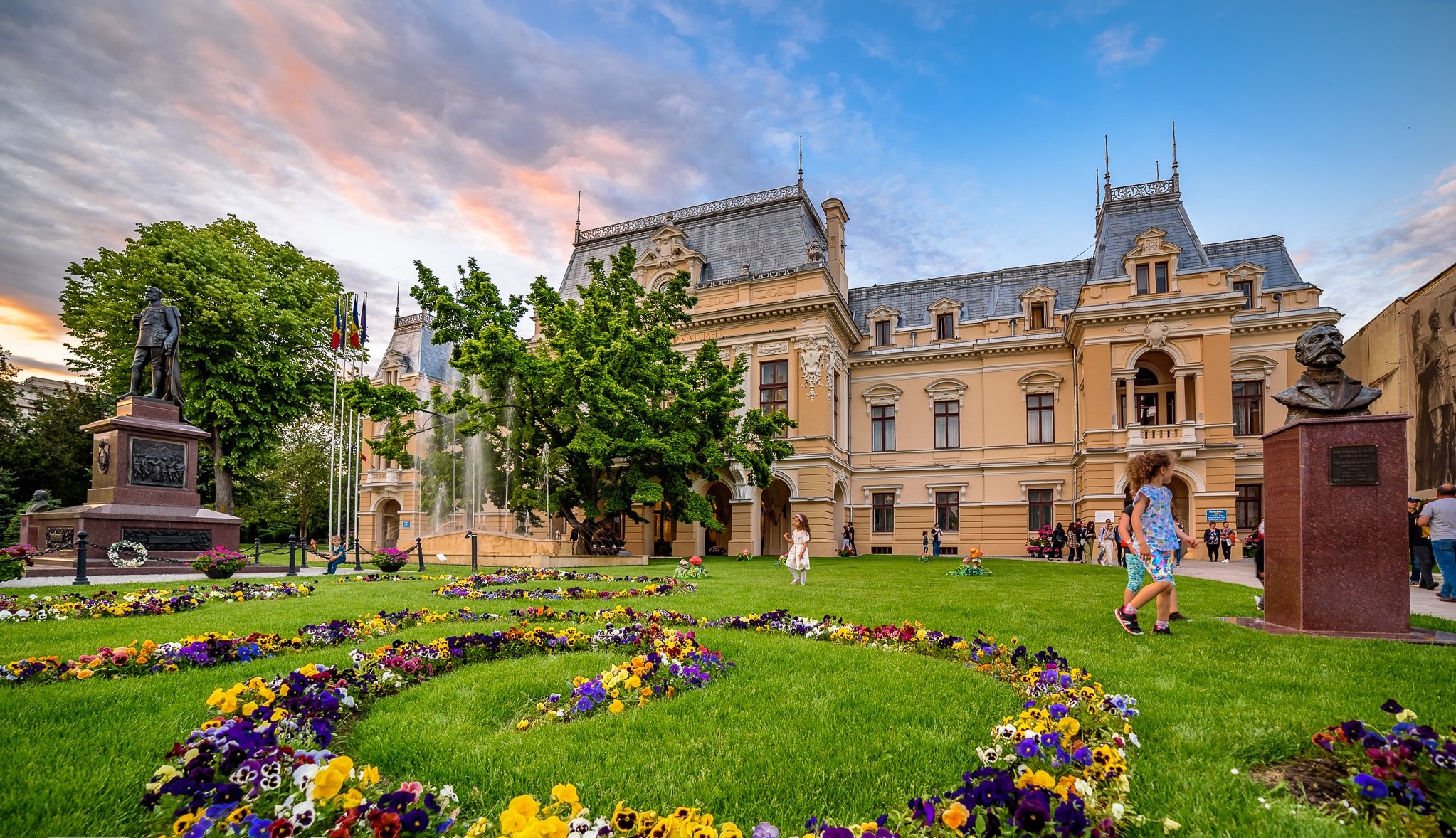
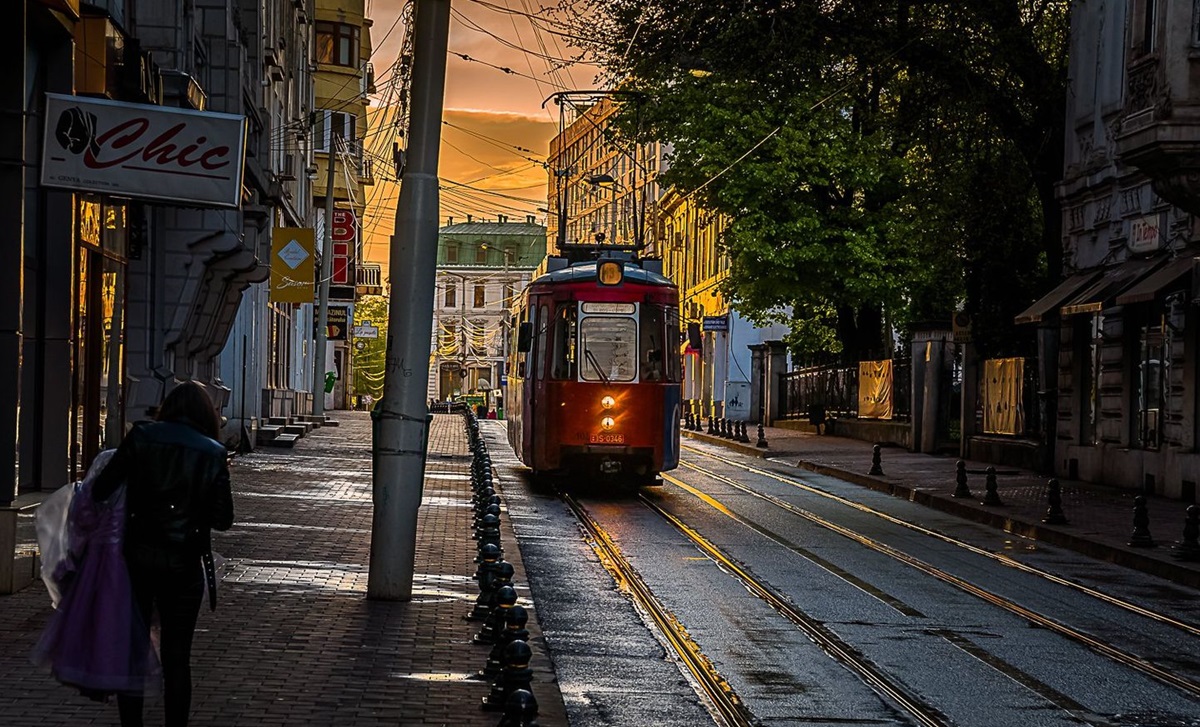
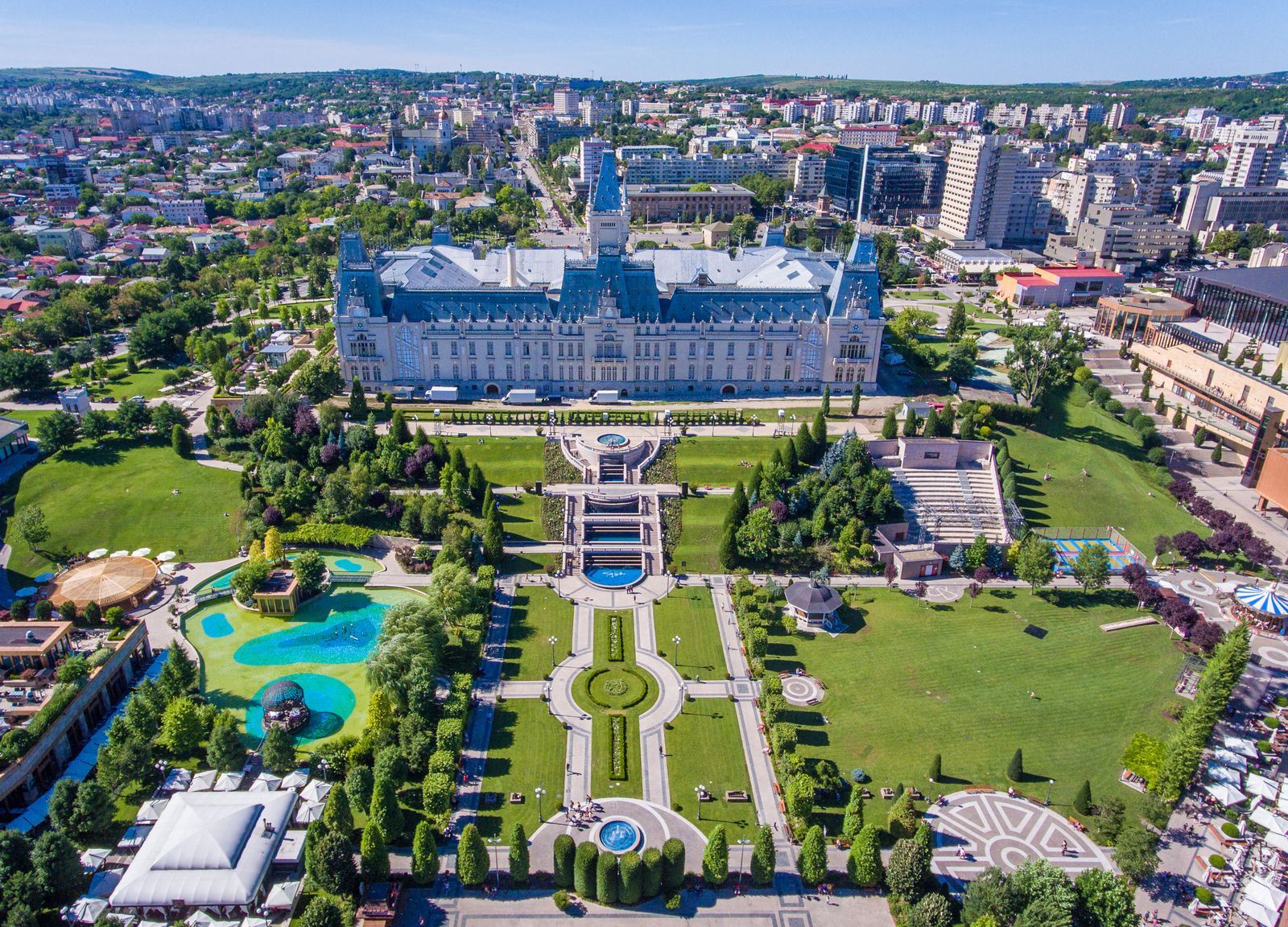
Welcome to Iași, a vibrant city in northeastern Romania, known as the “City of the Seven Hills” and one of the country’s most important cultural, historical, and academic centers. With a rich past dating back over 600 years, Iași invites visitors to explore its elegant boulevards, charming parks, and majestic monuments.
Highlights you shouldn’t miss:
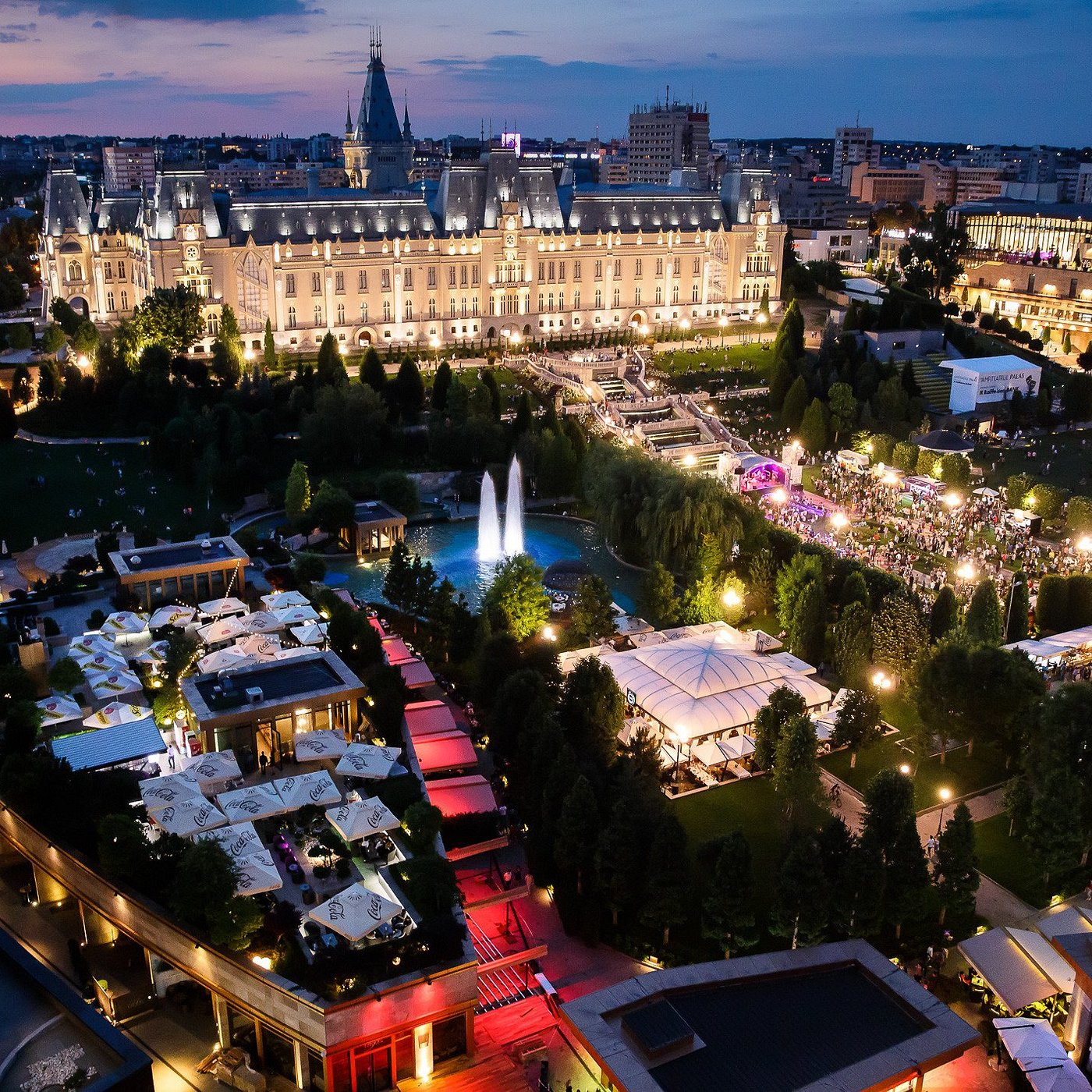
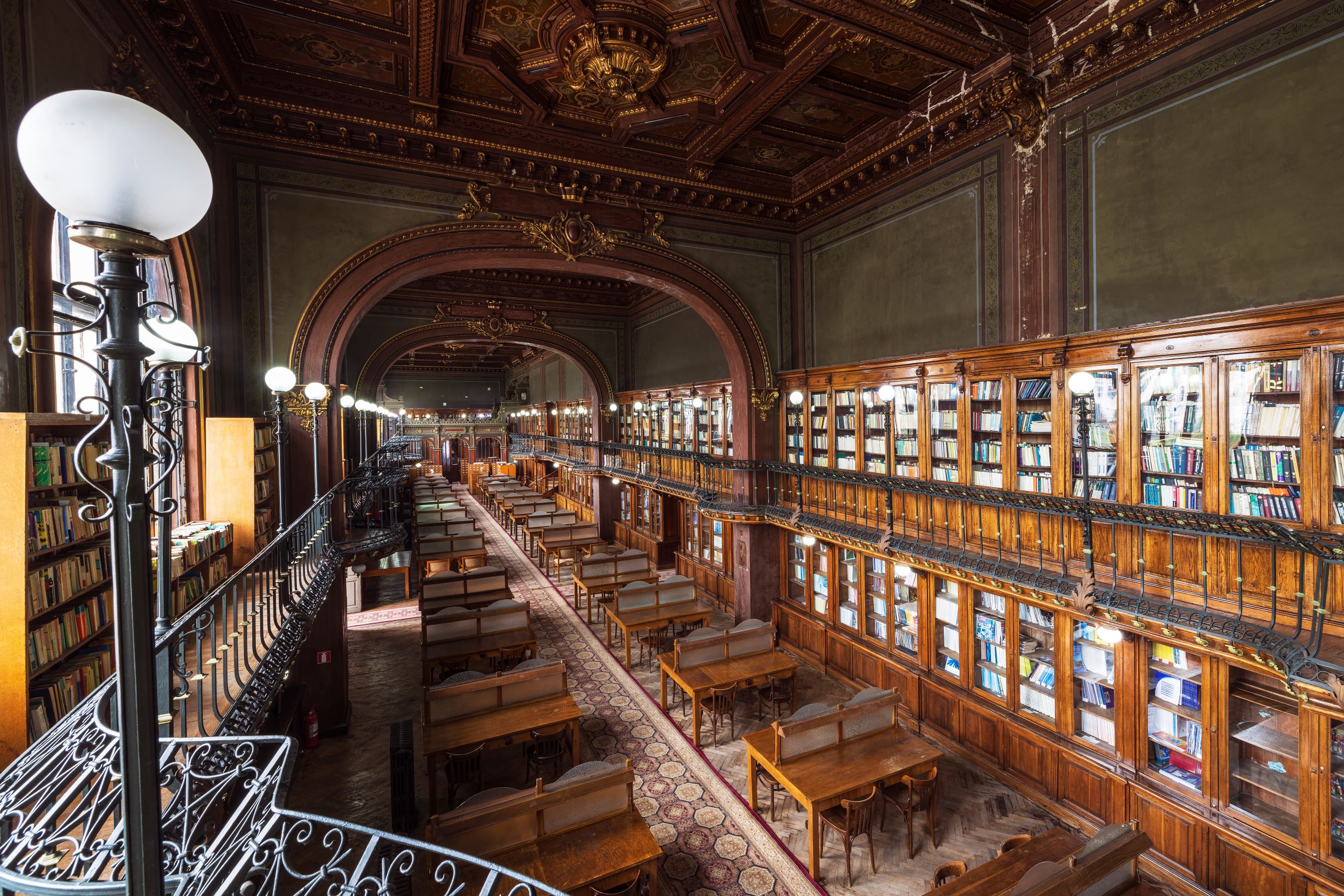
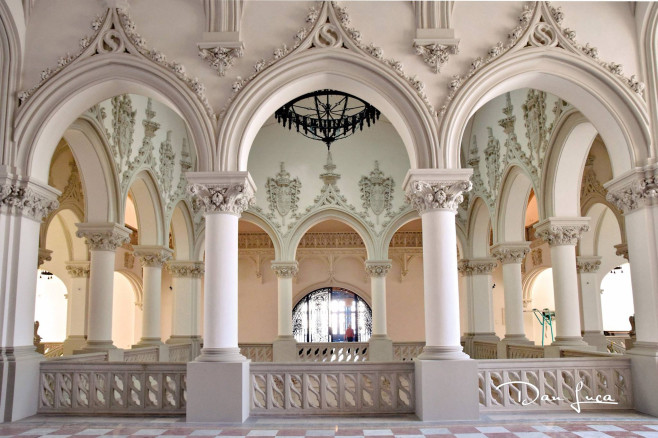
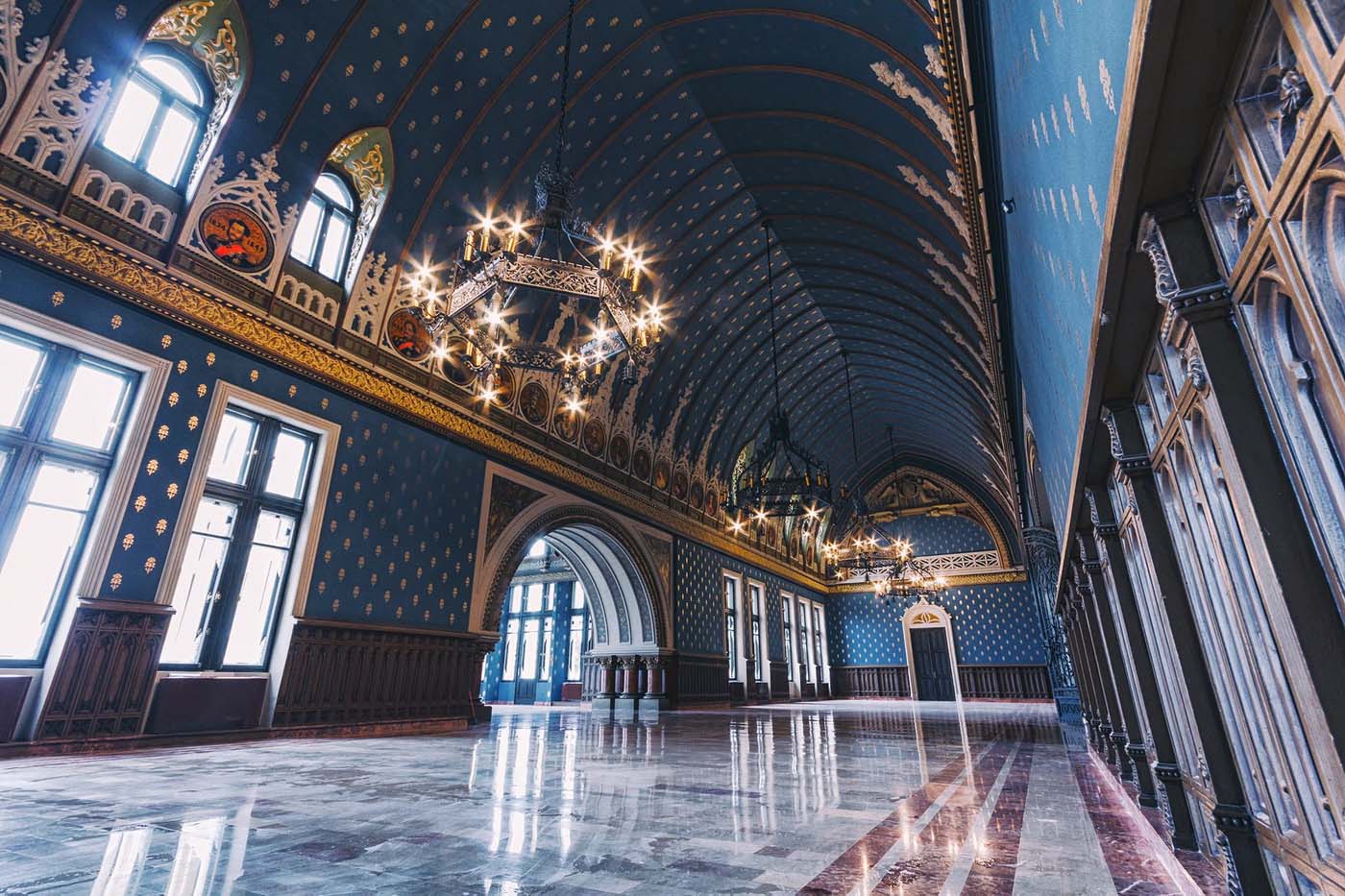
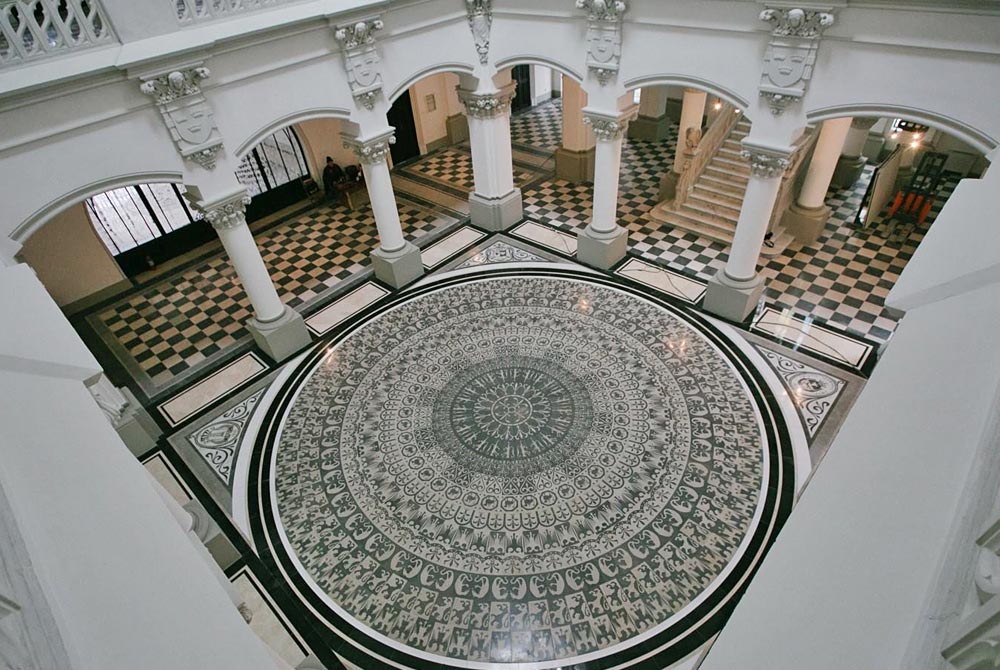
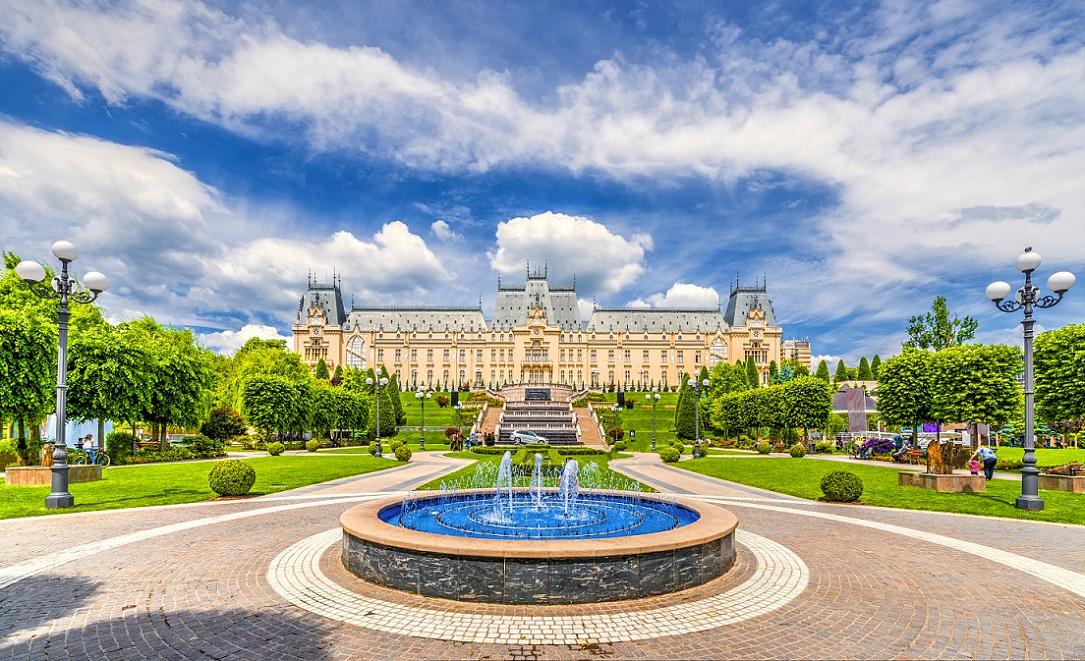
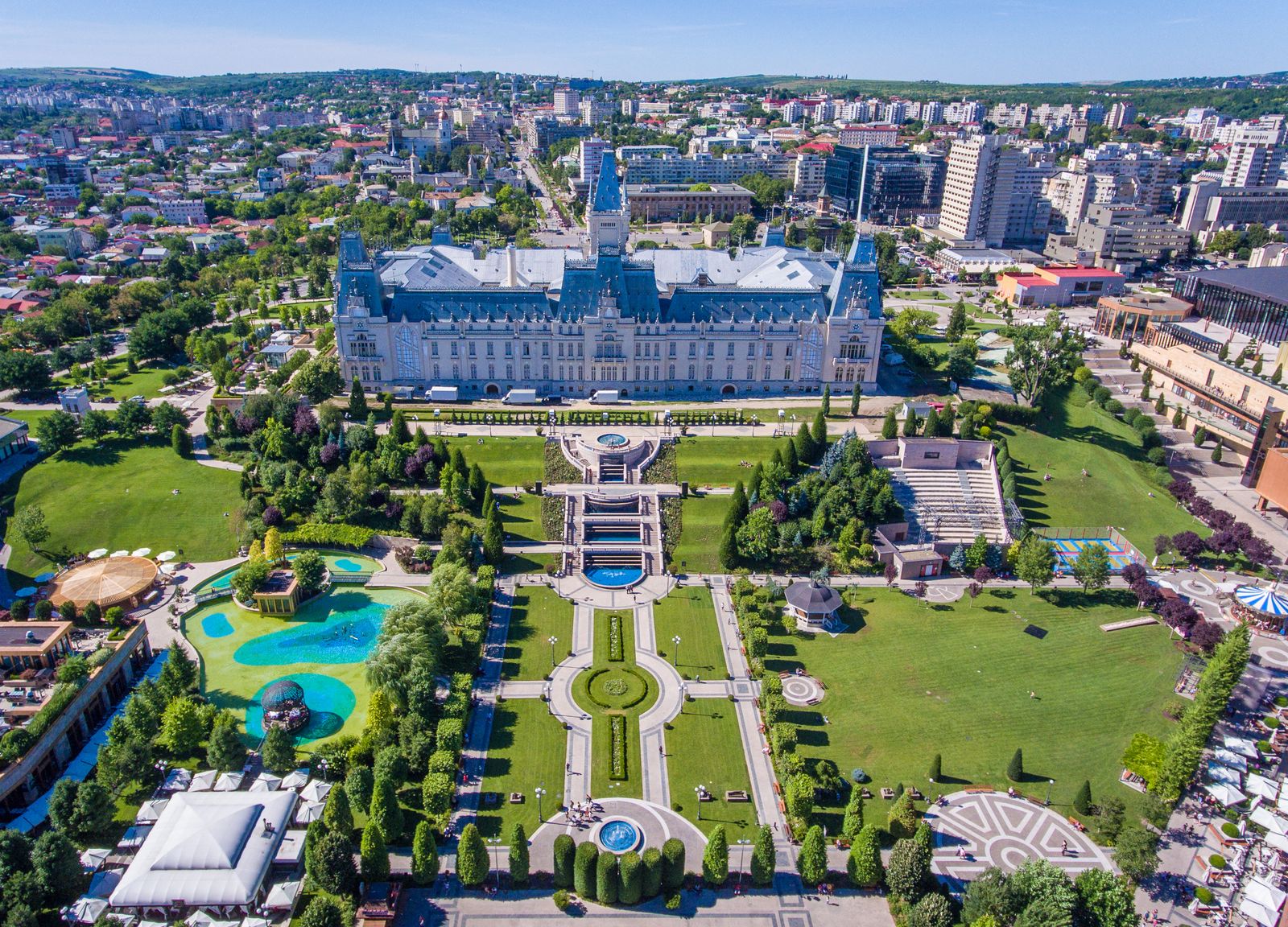
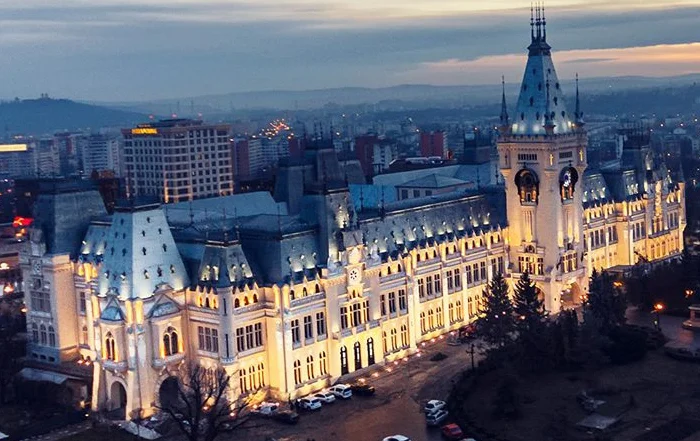
Palace of Culture – A stunning Neo-Gothic building housing four museums, it is the symbol of the city.
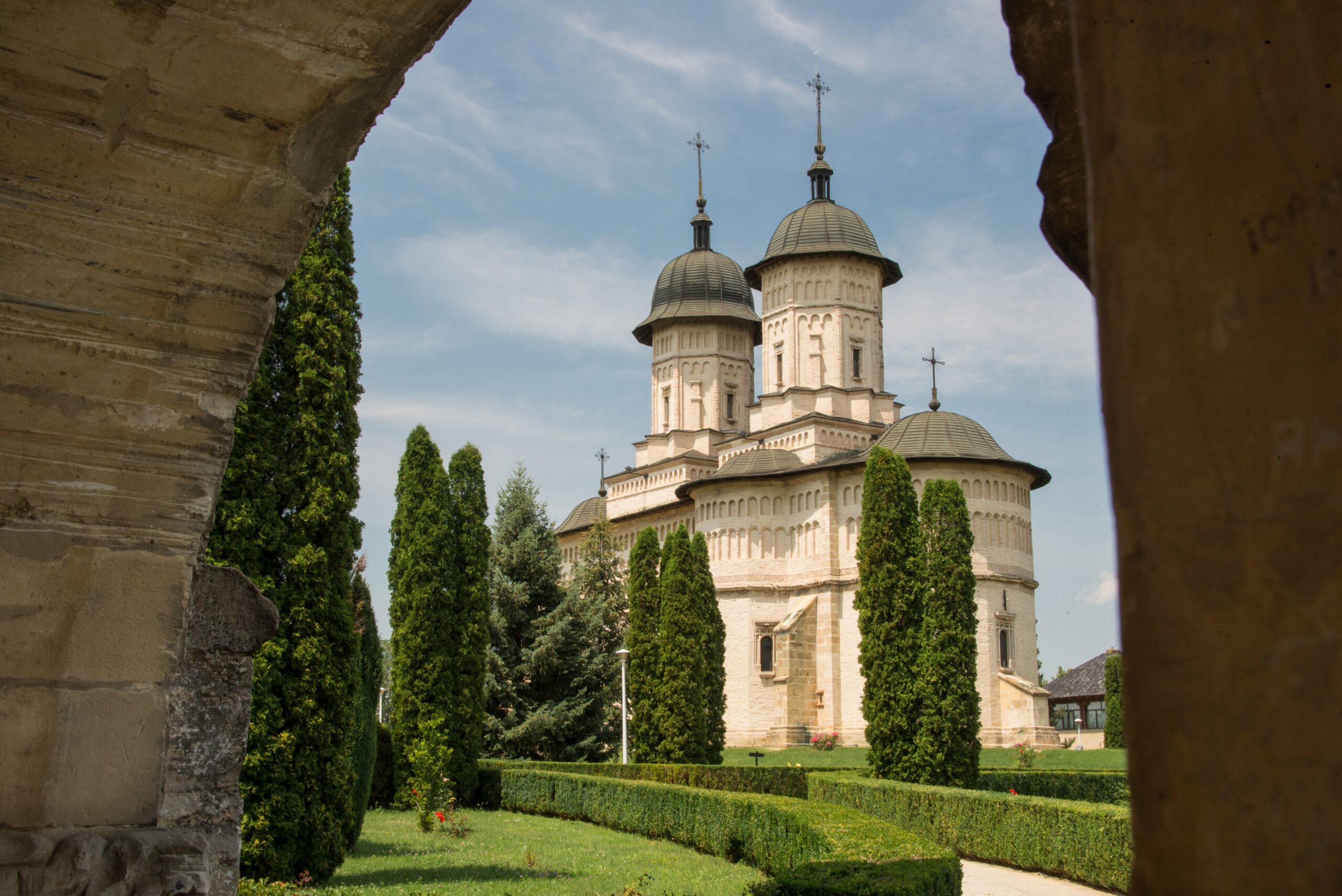
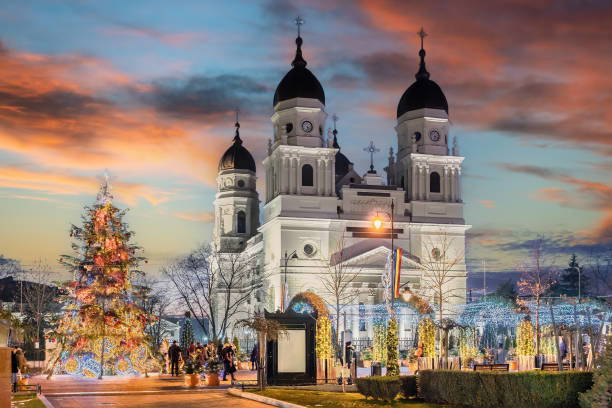
Metropolitan Cathedral – The largest Orthodox church in Romania, famous for its beautiful frescoes and spiritual atmosphere.
Copou Park – Romania’s oldest public park, home to the famous “Linden Tree of Eminescu,” a tribute to the national poet.
Union Square – The heart of the city, where Romania’s historic union was celebrated.
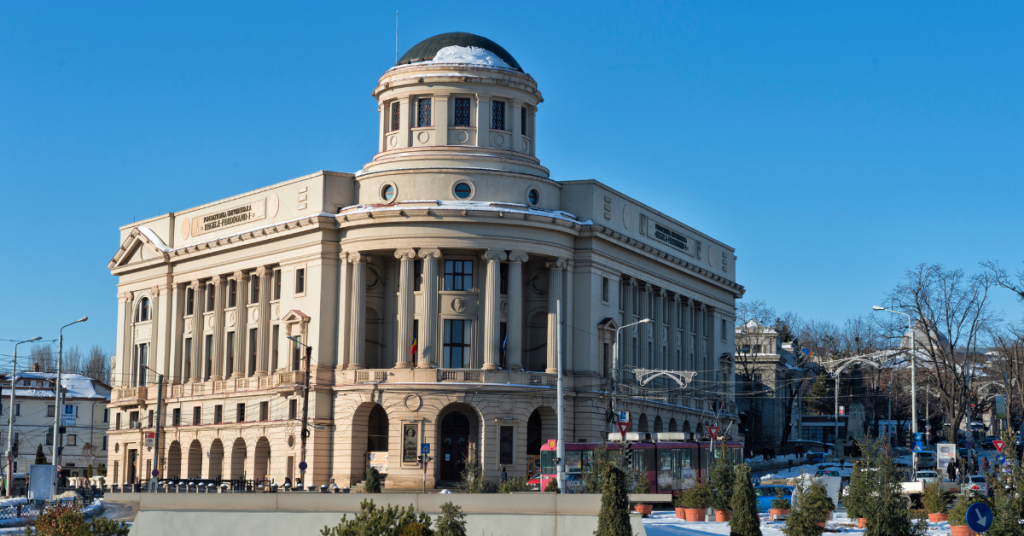
Alexandru Ioan Cuza University – One of Romania’s oldest and most prestigious universities, contributing to the youthful and dynamic spirit of Iași.
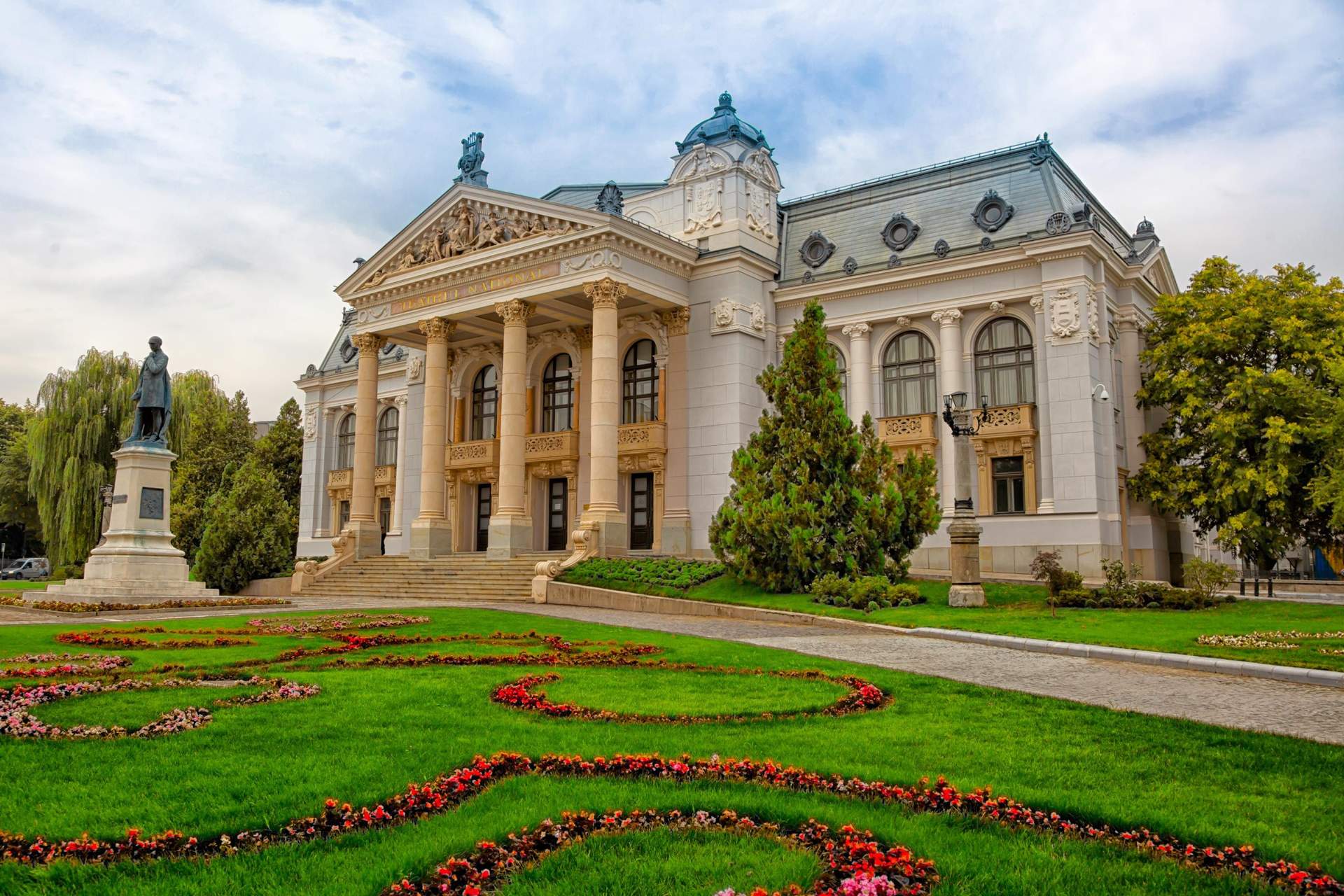
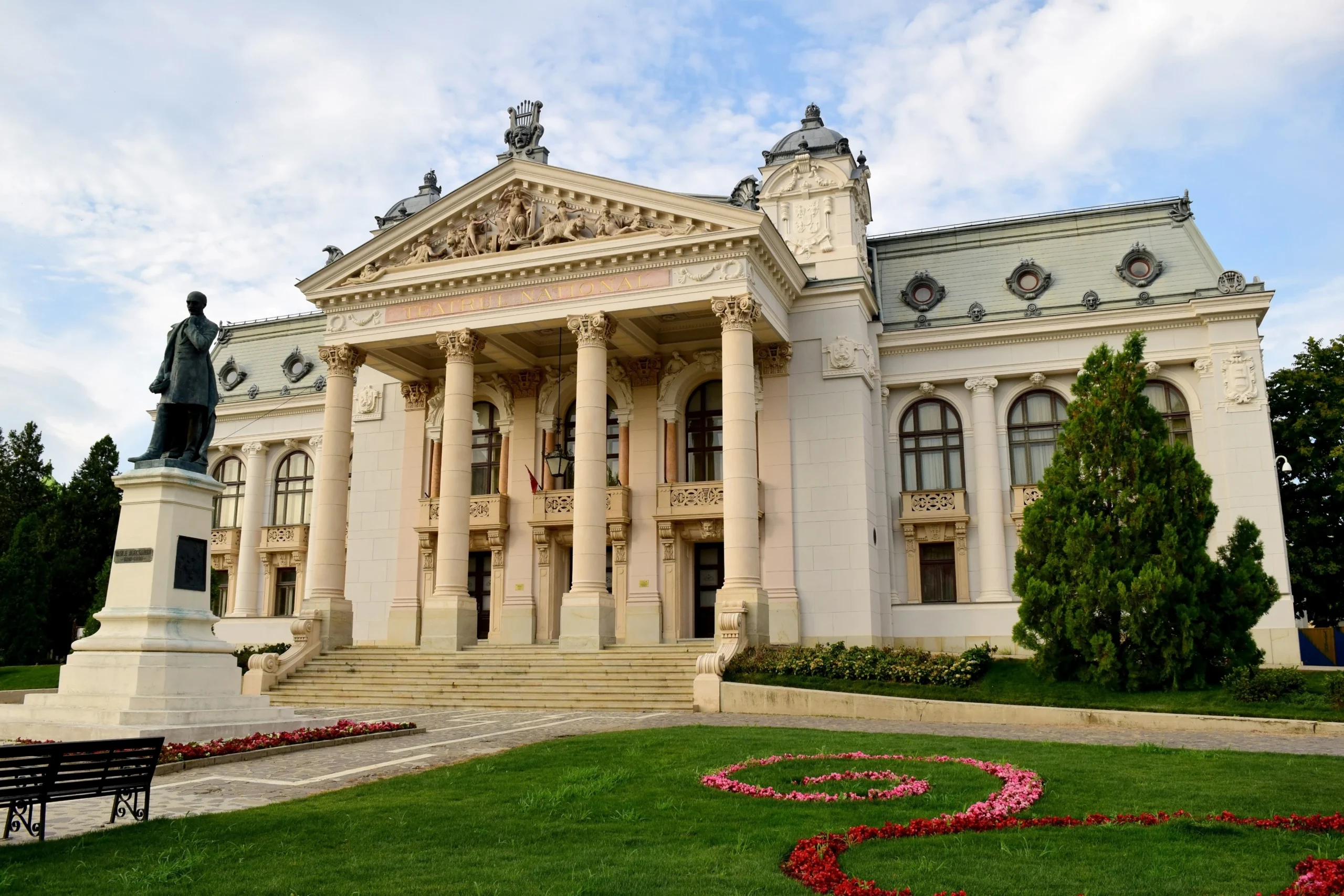
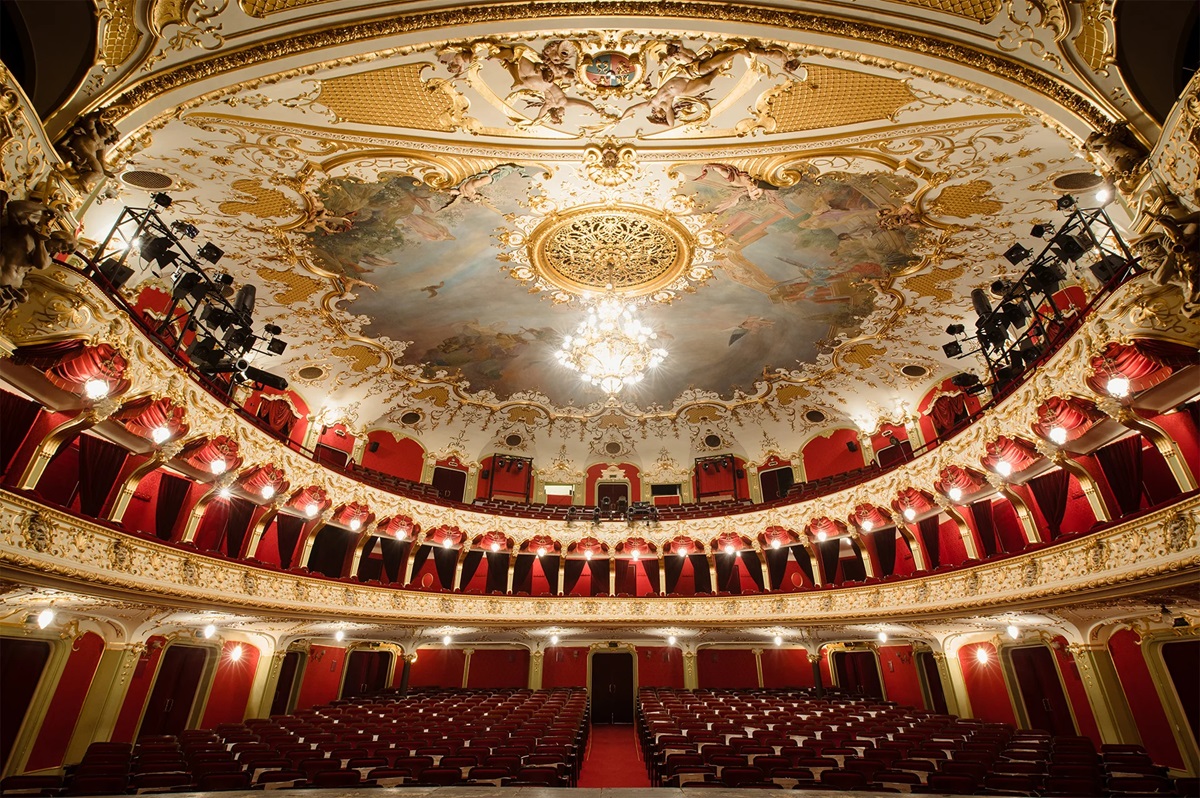
National Theatre “Vasile Alecsandri” – The oldest and one of the most beautiful theaters in the country.
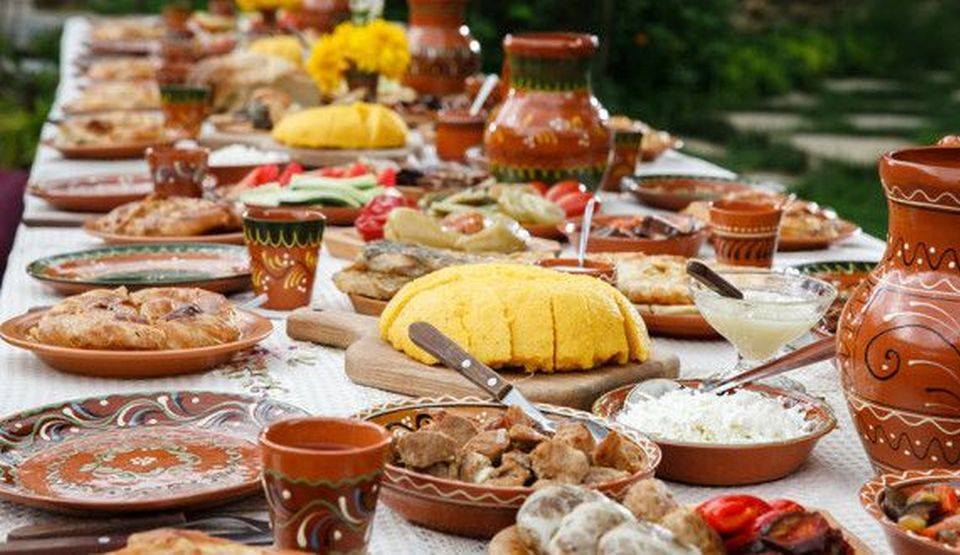
Whether you’re strolling through historic streets, enjoying a vibrant cultural festival, or savoring local Moldavian cuisine, Iași offers an unforgettable experience filled with history, art, and hospitality.
Iași – Where every corner tells a story!
Cultural Tours
Tourism is travel for pleasure or business; also the theory and practice of touring, the business of attracting, accommodating, and entertaining tourists, and the business of operating tours. Tourism may be international, or within the traveller’s country. The World Tourism Organization defines tourism more generally, in terms which go “beyond the common perception of tourism as being limited to holiday activity only”, as people “traveling to and staying in places outside their usual environment for not more than one consecutive year for leisure, business and other purposes”.
Tourism can be domestic or international, and international tourism has both incoming and outgoing implications on a country’s balance of payments. Today, tourism is a major source of income for many countries, and affects the economy of both the source and host countries, in some cases being of vital importance.