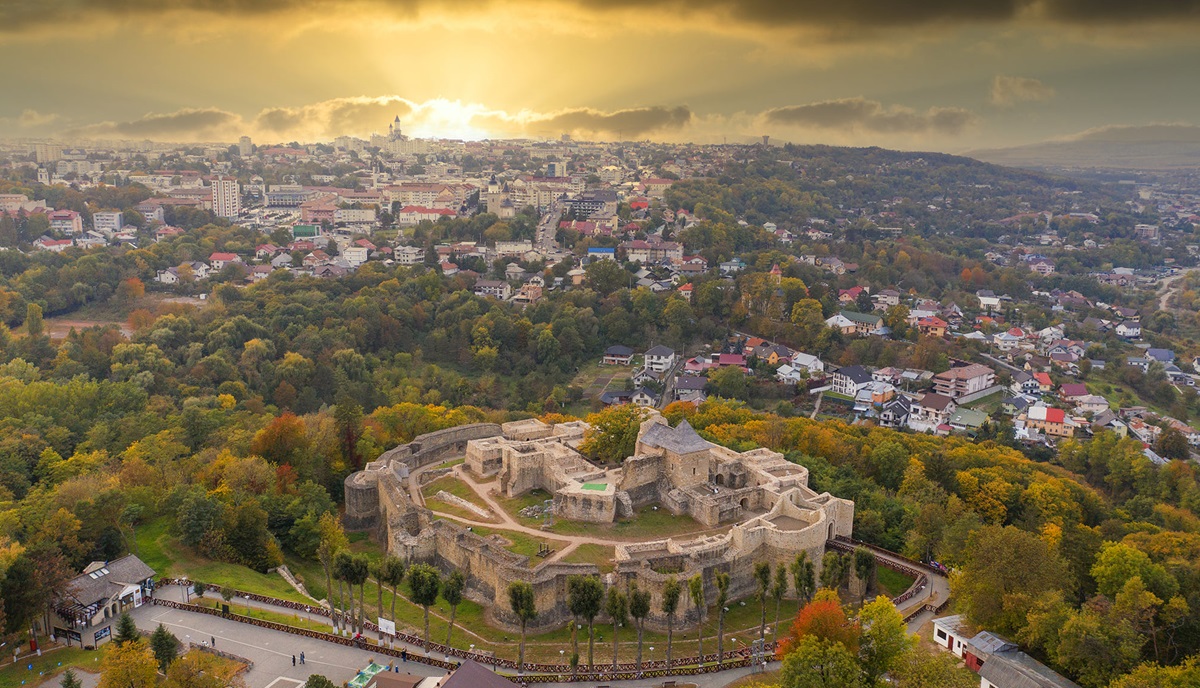
The wealthiest period in Moldavia’s history was when Suceava was its capital.
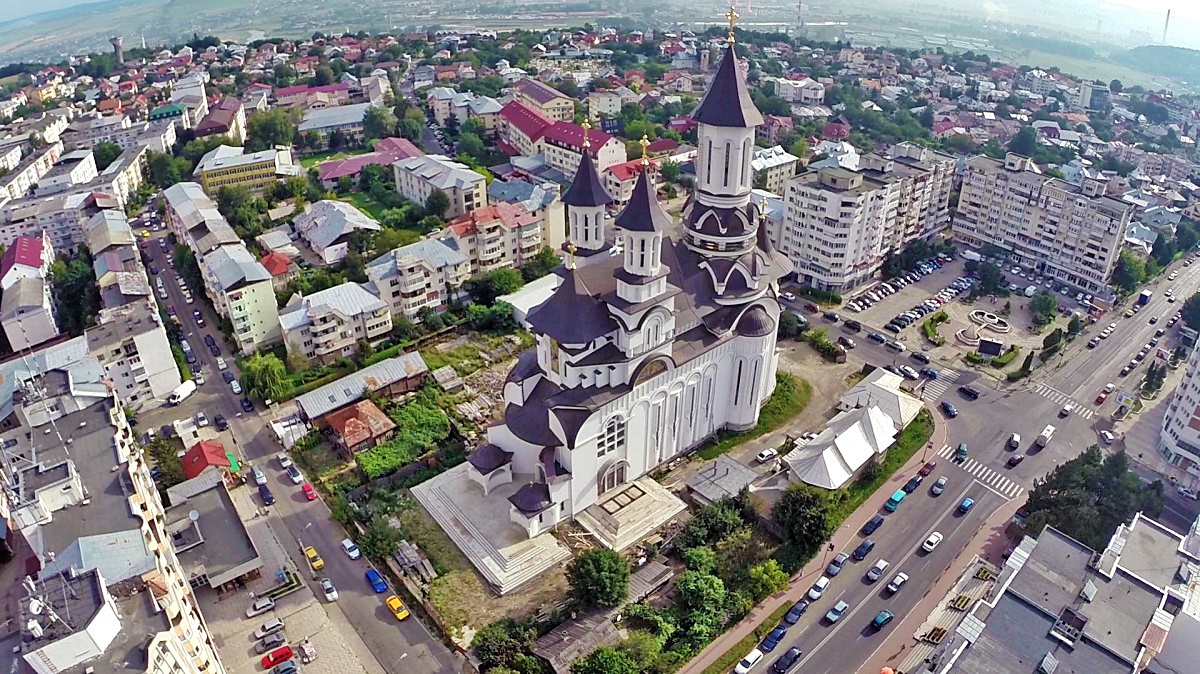
The city of Suceava lies in north-eastern, some 450 kilometres from Bucharest, near the border with Ukraine. The history stretches back to the Palaeolithic period when the first inhabitants settled here, The Dacians left vestiges of their culture, traditions and Roman influence during the 2nd and 3rd centuries, then, more than 600 years ago, the small settlement turns into a city, and becomes capital of Moldavia. For two centuries Suceava was the main commercial and political centre of the province. It peaked during the rule of Ştefan cel Mare (Stephen the Great), a name closely associated with the glory period of the fortress. After a period of decline and Austrian occupation, the town became a Romanian territory again in 1918. After the Second World War the city was heavily undustrialised while retaining its historical traditions and fame.
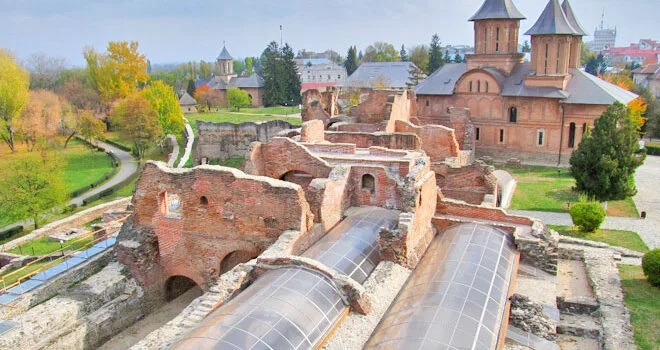
Curtea Domnească (the Princely Court)
The ruins of the princely residence, a complex built in the 14-15th centuries, can be seen in the centre of Suceava. The first wooden constructions were replaced by stone walls with cellars. Archaeological digs have unearthed materials that prove the luxurious adornment of the former royal palace, among them fragments of Gothic style stoves.
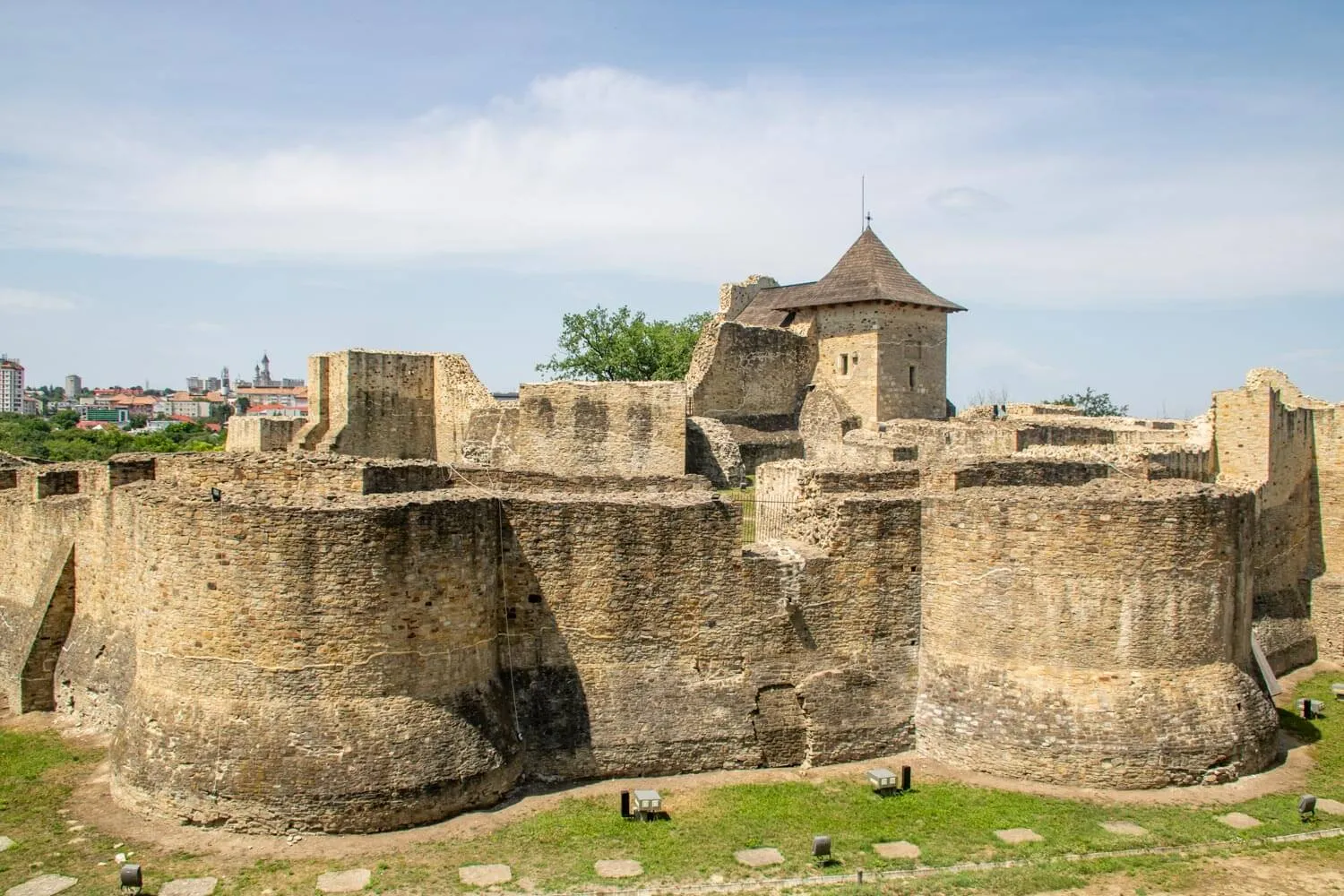
Suceava Fortress
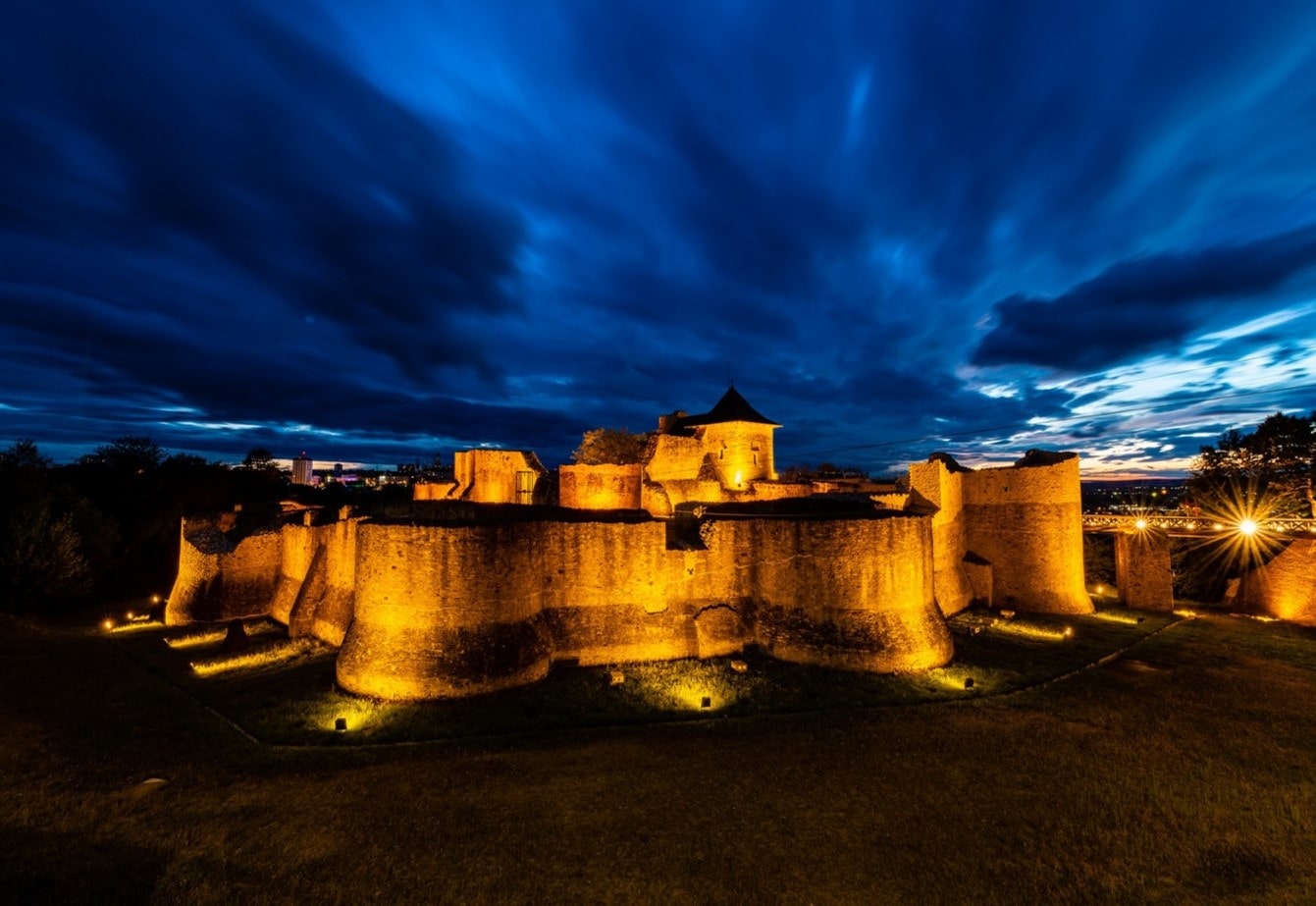
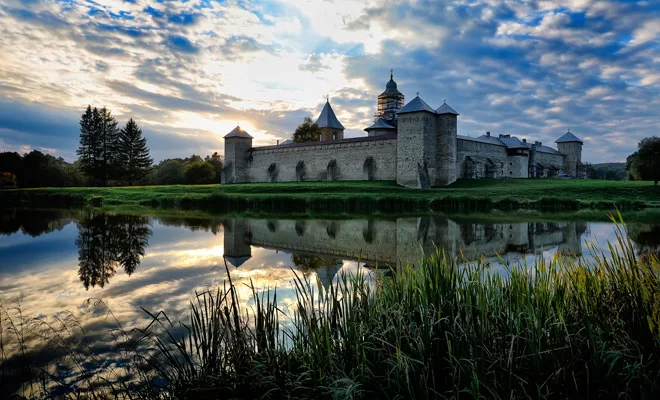
The fortress at Suceava was built at the end of the 14th century and subsequently consolidated to counter enemy artillery. The 3 metre thick walls of the princely citadel were reinforced by bastions, and a deep moat which protected the fortress against infantry attacks. The council of the country would meet in a large room, but the other rooms were intended for the soldiers. The ruler and his family lived in the town, at Curtea Domnească (the Princely Court), and sought refuge in the fortress only in case of danger. The fortress was destroyed in during the 18th century and became a quarry for the city inhabitants. 100 years ago, the walls of the old monument were revealed again as a restoration work was carried out.
Churches
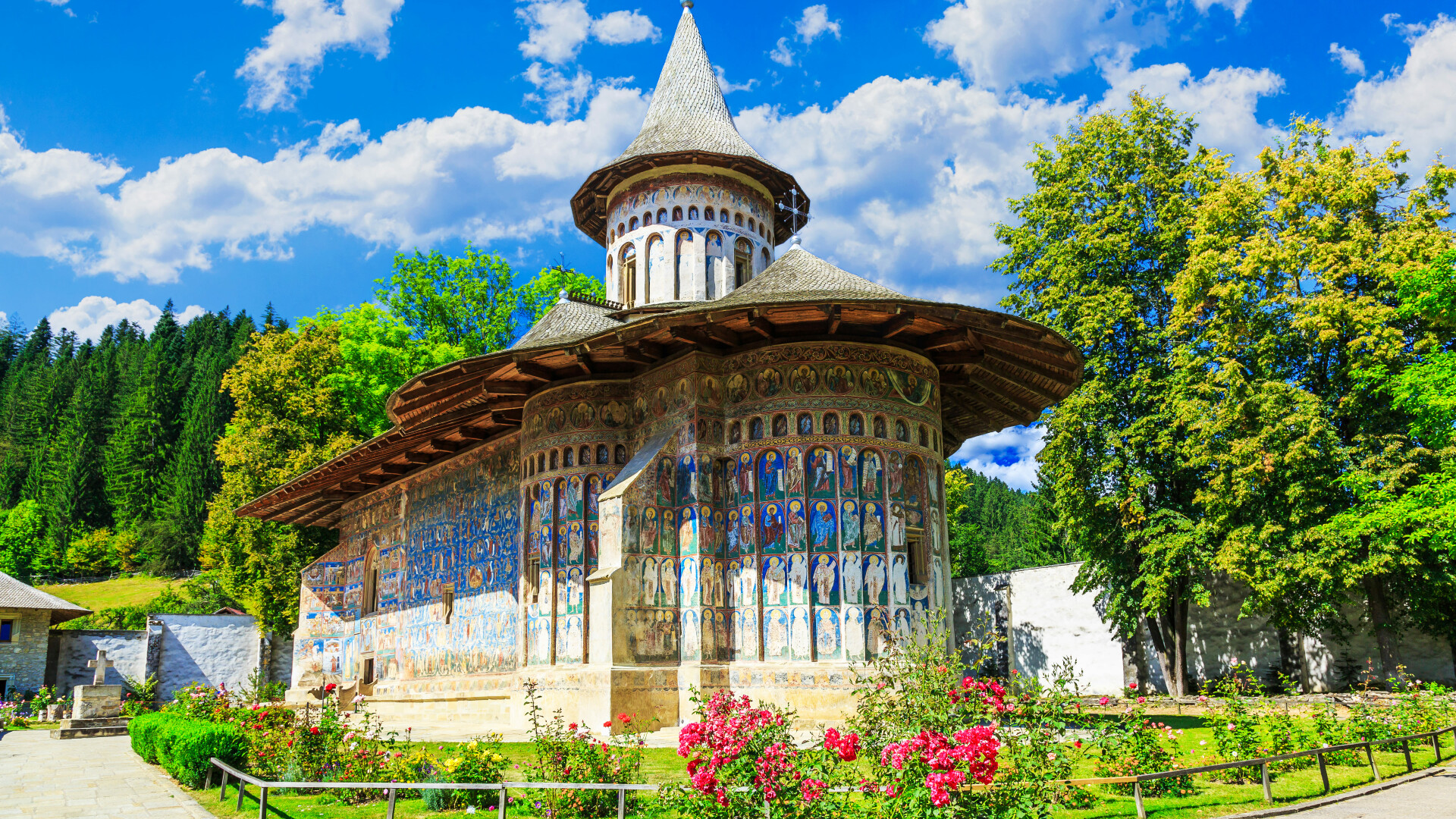
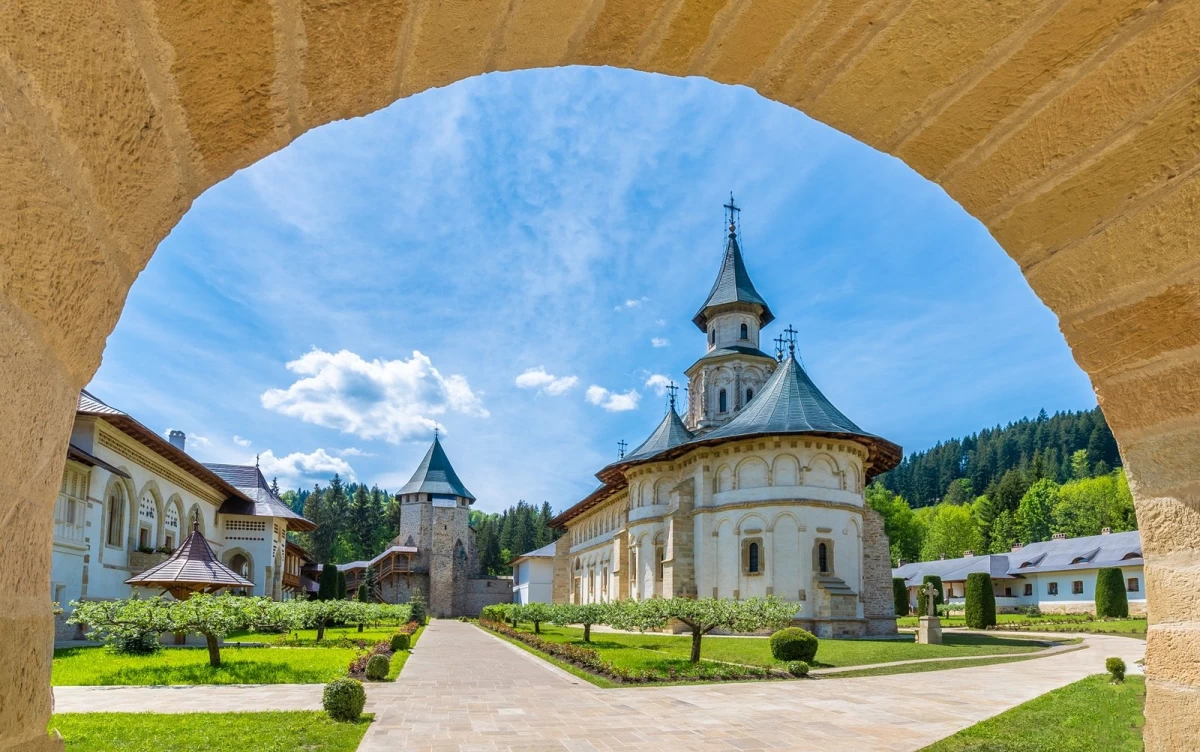
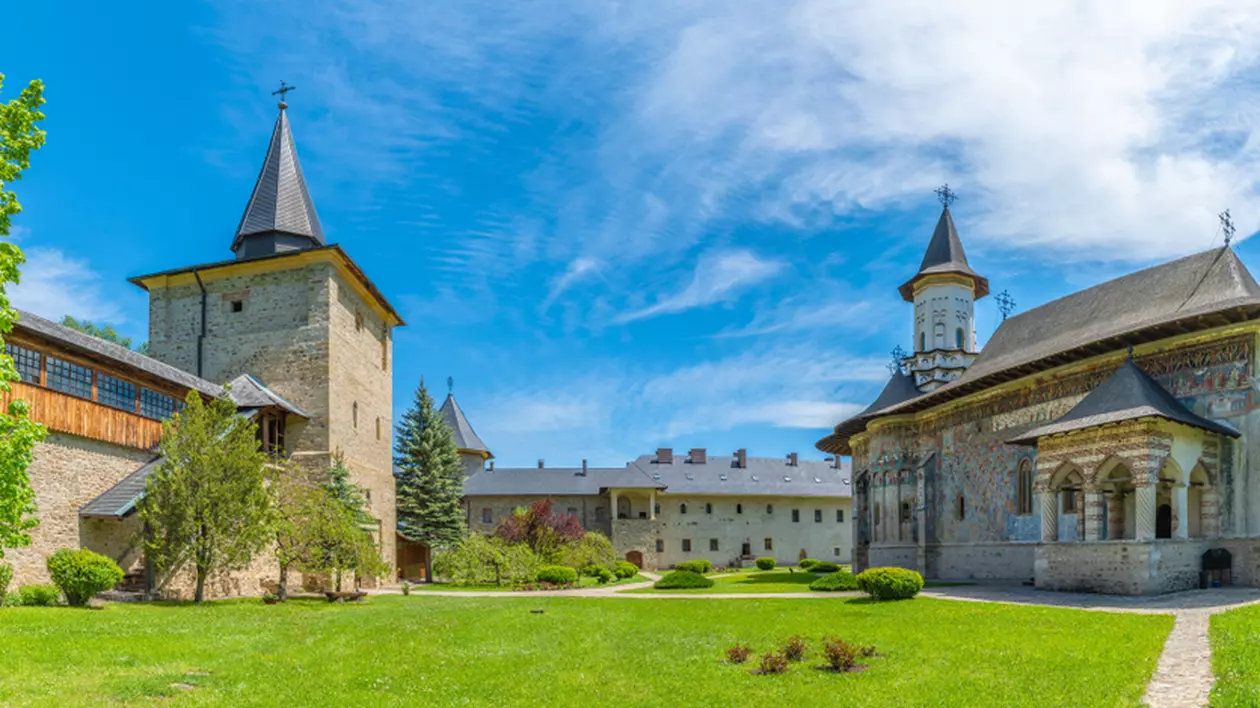
The religious heritage of Suceava is everywhere due to the historical churches that adorn the city, and the many monasteries in the surrounding countryside. The oldest is the Church of Saint George, which dates back to the 14th century. The church which stands near to the Princely Court was the metropolitan cathedral of Moldavia, where the ruler Ştefan cel Mare (Stephen the Great) was crowned. Armenian traders and craftsmen, who formed an important community in the city, erected the Saint Cross Church almost 600 years ago. A century later, the Romanians built the Saint Nicholas Church and the Cocoons’ Church.
Museums
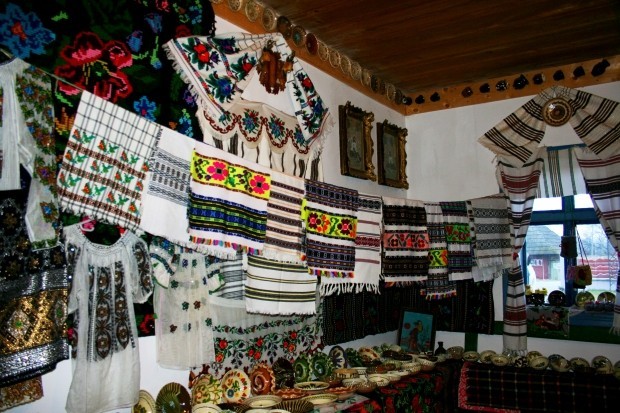
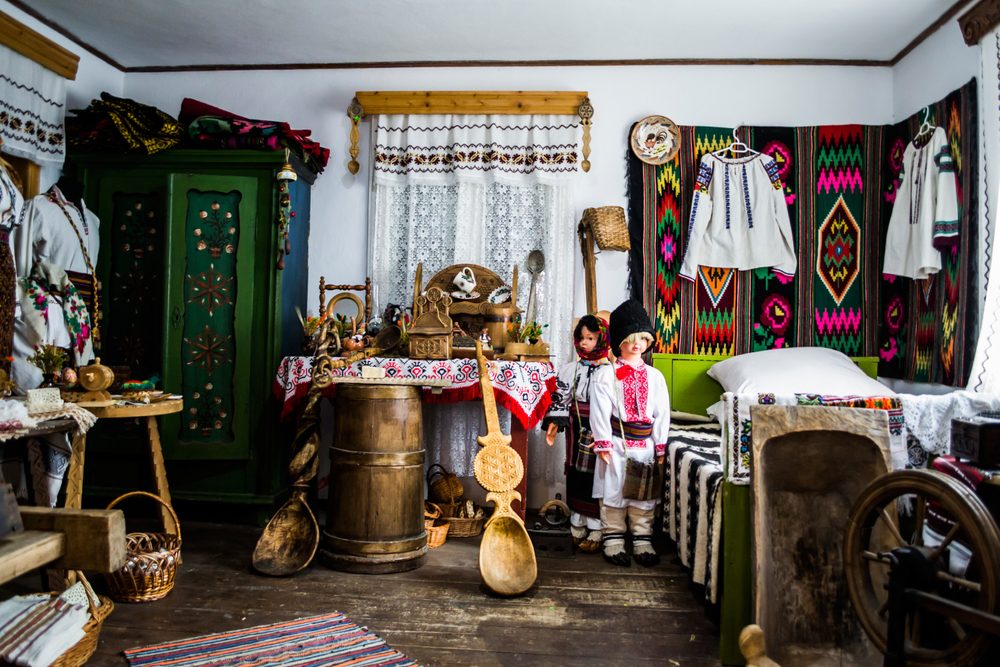
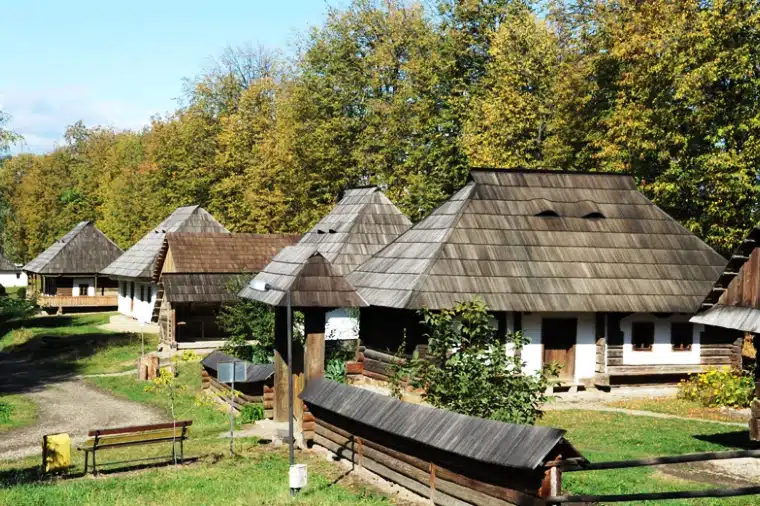
The history of Northern Moldavia, from the oldest times up to the Second World War, is shown in the 27 rooms of the History Museum. Ştefan cel Mare (Stephen the Great) and his courtiers are presented in an illustration of the Throne Room, and the most precious objects discovered in the region are exhibited in the Treasury Room, which also has displays of coins, jewellery, weapons, medals and clothing accessories. The History Museum is part of the Bucovina Museum Complex which also contains, among others, the Hanul Domnesc Ethnographic Museum, the Bucovina Village Museum, the Museum of Natural Sciences, a planetarium and memorial houses of the cultural personalities who lived in the city.
The History Museum: 33 Ştefan cel Mare Street
The museum is open from Tuesday to Sunday, 10:00 to 18:00 in summer and 9:00 to 17:00 in winter.
A City Walk
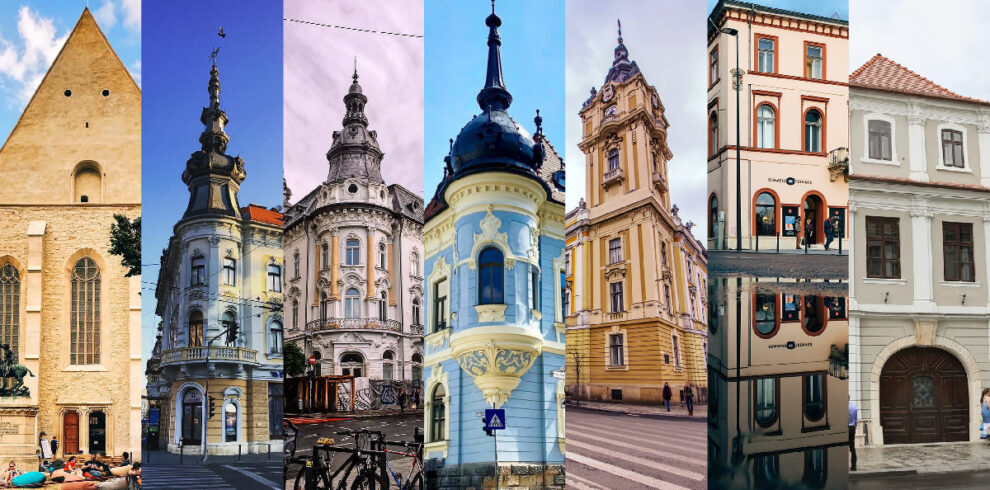
A walk on the streets in Suceava provides an opportunity to discover statues of Moldavian rulers, the central park and the historic buildings. Of special note are Burdujeni Railway Station, built at the beginning of the 20th century on the border between Romania and the Austro-Hungarian Empire, the Art High-school and Ştefan cel Mare High-school, both in Baroque style, the Palace of Justice, and the Polish House, where the first cinema projection devices in the city were installed.